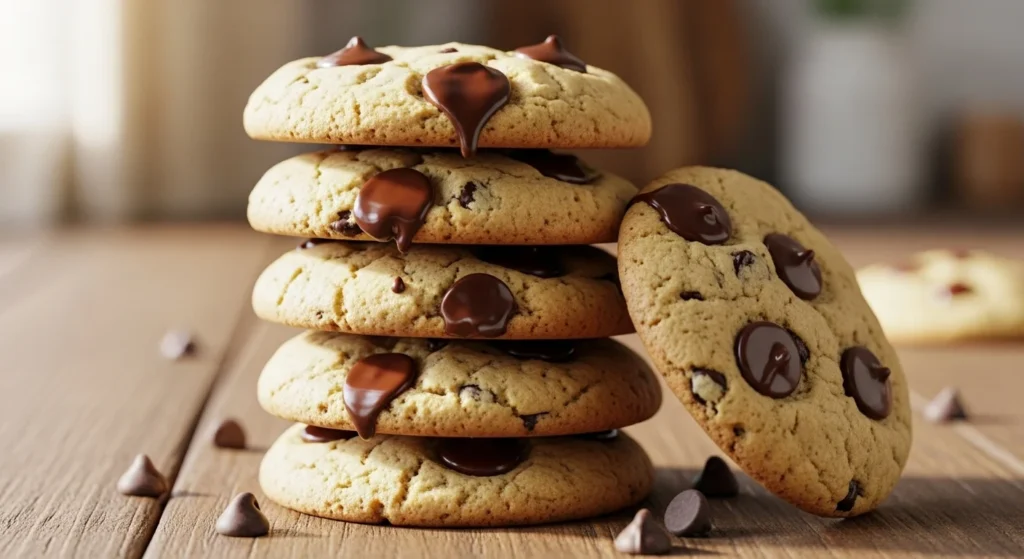
Let’s be honest — the biggest fear with gluten-free cookies is that telltale texture: gritty, dry, or oddly gummy. But here’s the truth most home bakers don’t know…
When gluten-free cookies are done right, no one can tell the difference.
The secret isn’t just swapping flour. It’s about hydration, structure, and a few bakery-level tricks that mimic the chew of wheat flour. Follow this guide and your gluten-free cookies will come out soft, rich, and completely crave-worthy.
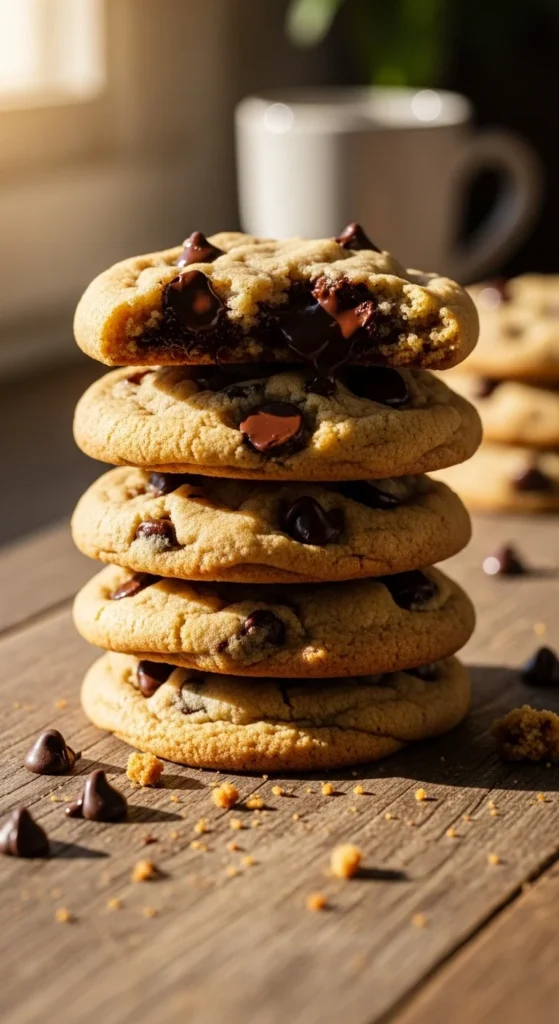
Let’s bake smarter.
Choose the Right Gluten-Free Flour Base
Your flour choice makes or breaks gluten-free cookies.
Best options for beginners
1:1 Gluten-Free Flour Blend
- Easiest wheat substitute
- Usually includes xanthan gum
- Reliable structure
- Great for chocolate chip cookies
Almond Flour
- Naturally tender
- Slightly nutty flavor
- Perfect for soft cookies
- Works well in crinkles and shortbread
Coconut Flour (use sparingly)
- Extremely absorbent
- Needs extra liquid
- Best used in small amounts
👉 For most classic cookies, start with a 1:1 measure-for-measure gluten-free blend.
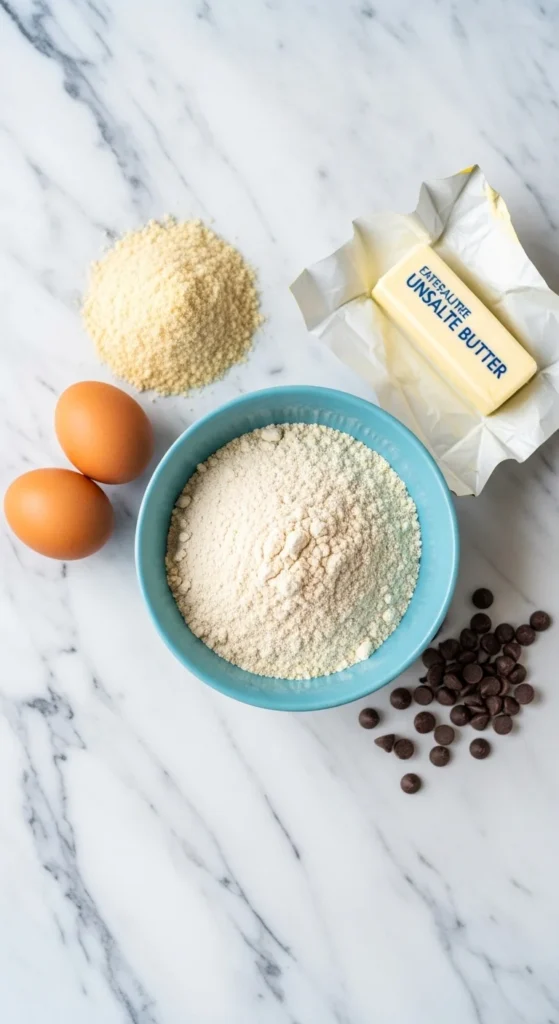
Step 1: Add Xanthan Gum (If Your Blend Needs It)
Gluten normally provides elasticity and structure. Without it, cookies can crumble.
When to add xanthan gum
- Skip if your blend already includes it
- Add ¼–½ teaspoon per batch if not included
What xanthan gum does
- Binds the dough
- Prevents crumbling
- Improves chew
- Mimics gluten structure
✨ Think of it as the “glue” of gluten-free baking.
Step 2: Brown the Butter for Deep Flavor
One of the fastest ways to make gluten-free cookies taste bakery-quality is browned butter.
Why brown butter works
- Adds nutty depth
- Masks any GF flour aftertaste
- Enhances richness
- Creates gourmet flavor
Quick method:
- Melt butter in a light pan.
- Cook until golden with brown specks.
- Cool slightly before using.
⚠️ Don’t skip cooling — hot butter can ruin the dough texture.

Step 3: Boost Moisture With an Extra Egg Yolk
Gluten-free dough often needs extra richness to avoid dryness.
Add: 1 extra egg yolk to most cookie recipes.
Benefits
- Improves chew
- Adds moisture
- Reduces grittiness
- Creates softer centers
👉 Always use room-temperature eggs for smoother mixing.
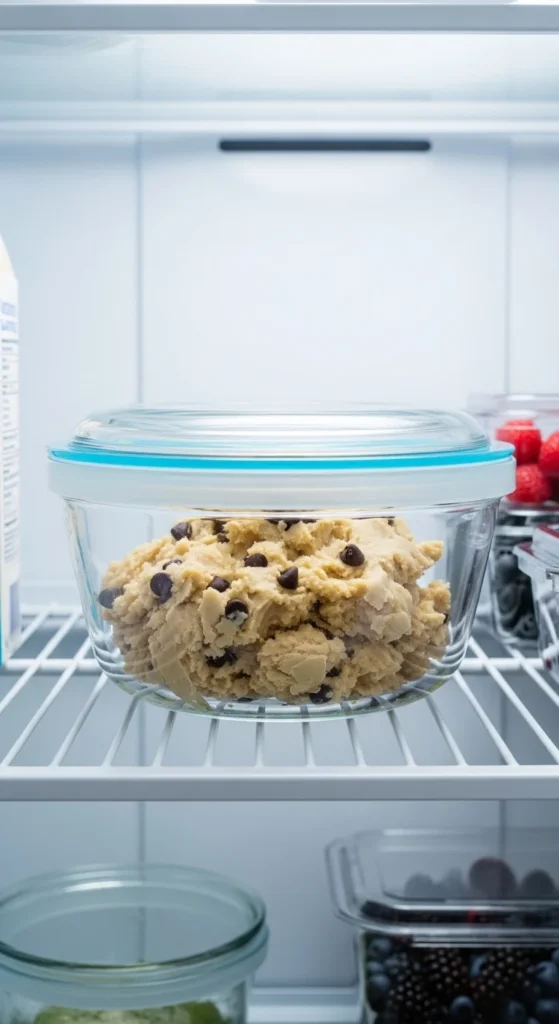
Step 4: Let the Dough Rest (Critical for GF Baking)
This step is one of the most overlooked secrets.
Rest time
- Minimum: 30 minutes
- Better: 60 minutes
Why resting matters
Gluten-free flours need time to hydrate. Resting:
- Reduces graininess
- Thickens dough
- Controls spread
- Improvs texture
✨ Many bakers skip this — and that’s why their cookies disappoint.
Step 5: Scoop Even Dough Portions
Uniform cookies bake more evenly — especially important with gluten-free dough.
Best practice
- Use 2-tablespoon scoops
- Space cookies about 2–3 inches apart
- Use parchment-lined baking sheets
Optional bakery trick
Roll dough slightly taller than round for thicker cookies.
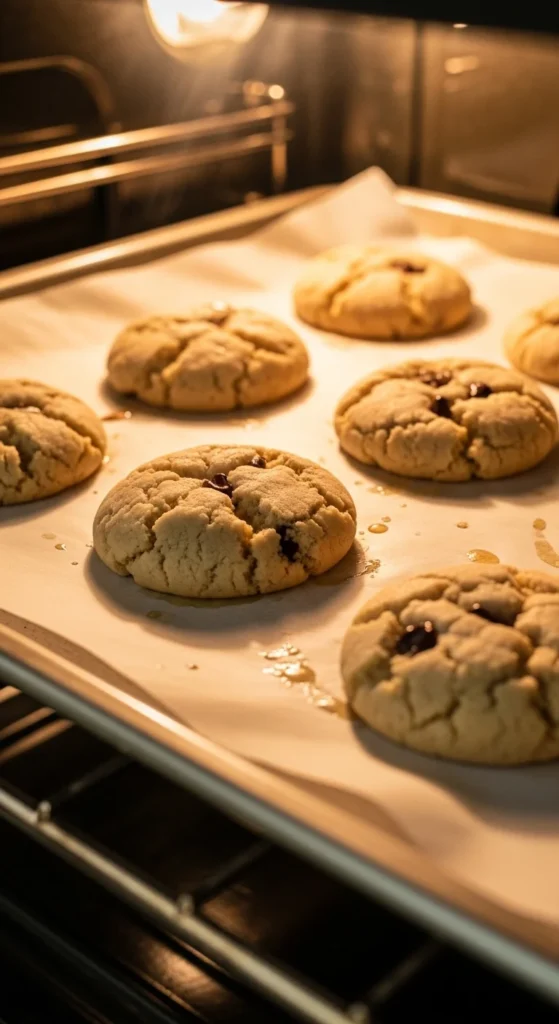
Step 6: Bake Just Until Golden Edges Appear
Gluten-free cookies can go from perfect to dry quickly.
Ideal baking settings
- Oven: 375°F (190°C)
- Time: 9–11 minutes
- Rack: middle position
Visual doneness cues
✅ Edges lightly golden
✅ Centers soft and slightly underbaked
✅ Tops just set
⚠️ Cookies will firm up as they cool — don’t overbake.
Easy Gluten-Free Cookie Variations
Once you master the base, try these popular spins.
Flourless peanut butter cookies (3 ingredients)
- 1 cup peanut butter
- 1 cup sugar
- 1 egg
Naturally gluten-free and beginner friendly.
Almond flour chocolate chip cookies
- Soft and tender
- Slightly nutty
- Paleo-friendly option
Gluten-free chocolate crinkle cookies
- Fudgy centers
- Powdered sugar coating
- Perfect for holidays
✨ These variations help keep your cookie lineup exciting.
Troubleshooting Gluten-Free Cookies
Cookies are crumbly
Fix:
- Add xanthan gum
- Increase egg yolk
- Let dough rest longer
Cookies are gummy in the center
Fix:
- Bake 1–2 minutes longer
- Check flour blend quality
- Avoid too much coconut flour
Cookies taste grainy
Fix:
- Rest dough at least 30 minutes
- Use high-quality flour blend
- Add extra moisture (yolk or butter)
Final Thoughts: Gluten-Free Cookies Can Be Incredible
Gone are the days when gluten-free cookies meant dry, crumbly disappointments. With the right flour blend, proper hydration, and smart baking techniques, you can create cookies that are soft, chewy, and completely indistinguishable from traditional versions.
Master the rest time, don’t skip the browned butter, and always watch for those golden edges — and you’ll have gluten-free cookies everyone will rave about.
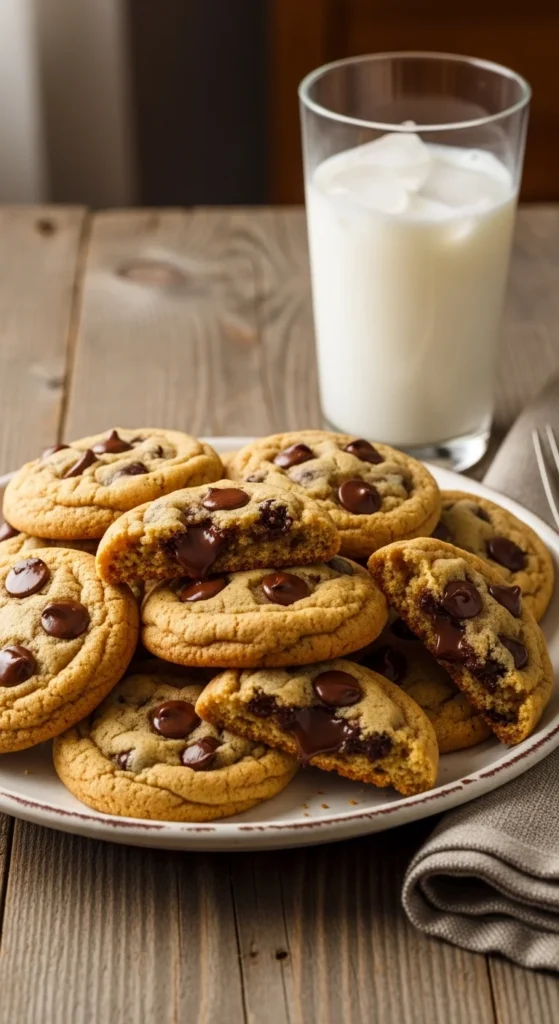
✨ Save this recipe for later, and enjoy gluten-free cookies that truly don’t taste gluten free.