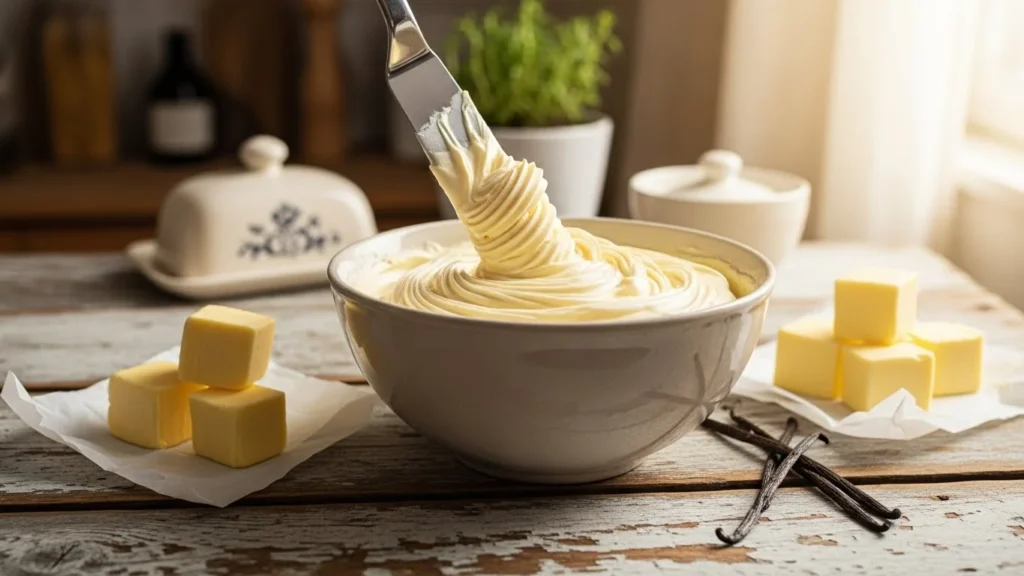
Buttercream frosting should feel like a soft, creamy hug—not a sugar punch to the face. If you’ve ever scraped frosting off a cupcake because it was way too sweet, you’re not alone. The good news? You can absolutely make buttercream that’s balanced, smooth, and bakery-level delicious without drowning it in powdered sugar.

This guide walks you through why buttercream gets overly sweet and exactly how to fix it, step by step. No fancy tools, no weird ingredients—just smart technique and flavor balance.
Why Buttercream Often Tastes Too Sweet
Classic American buttercream relies heavily on powdered sugar for structure. That’s great for stability—but not so great for flavor. The result is often frosting that:
- Overpowers the cake
- Feels gritty or heavy
- Leaves a lingering sugary aftertaste
The key is reducing perceived sweetness, not just cutting sugar blindly. We’ll do that by adjusting fat, salt, temperature, and flavor depth.
Choose the Right Butter (This Matters More Than You Think)
Butter is the backbone of buttercream, so quality counts.
- Use unsalted butter so you control the salt level
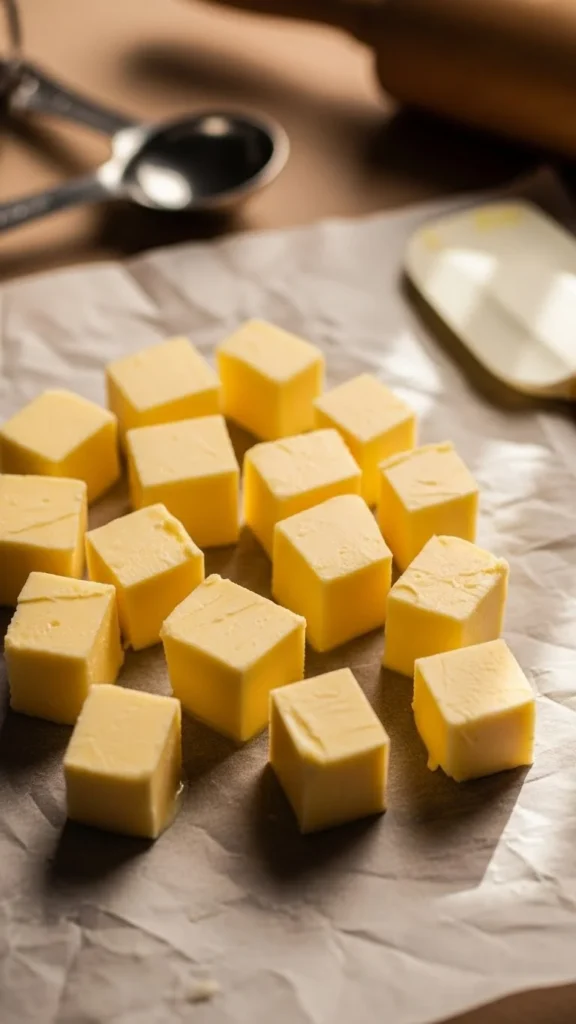
- Let it soften naturally (cool room temp, not melty)
- European-style butter works beautifully thanks to higher fat content
Soft butter whips smoother, traps air better, and creates a creamier mouthfeel—which naturally balances sweetness.
Use Less Sugar—But Whip Smarter
Yes, you can use less powdered sugar than most recipes call for. The trick is how you whip it.
Try this approach:
- Start with ½ to ¾ of the sugar you think you need
- Beat the butter alone for 3–5 minutes until very pale and fluffy
- Add sugar gradually, whipping well after each addition
Whipping longer incorporates air, making the frosting feel lighter and less sweet—even with the same ingredients.
Add Salt (Your Secret Weapon)
Salt doesn’t make frosting salty—it makes it taste less sweet.
- Add ¼ teaspoon fine sea salt to start
- Taste and adjust slowly
- Salt sharpens flavor and cuts sugar intensity instantly
This one step alone can transform buttercream from “too much” to “just right.”

Use Heavy Cream or Milk for Balance
Liquid helps loosen frosting without adding sweetness.
- Heavy cream adds richness
- Whole milk keeps it light
- Add 1 tablespoon at a time while mixing
This softens texture, improves spreadability, and reduces that powdered-sugar bite.
Boost Flavor Without More Sugar
Sweetness feels stronger when flavor is flat. The fix? Layer in depth.
Flavor boosters that reduce perceived sweetness:
- Pure vanilla extract (not imitation)
- A splash of almond extract (go light!)
- Cream cheese (replace ¼ of the butter)
- Greek yogurt or mascarpone for subtle tang
These ingredients add complexity so your brain focuses on flavor—not sugar.
Try This Not-Too-Sweet Buttercream Ratio
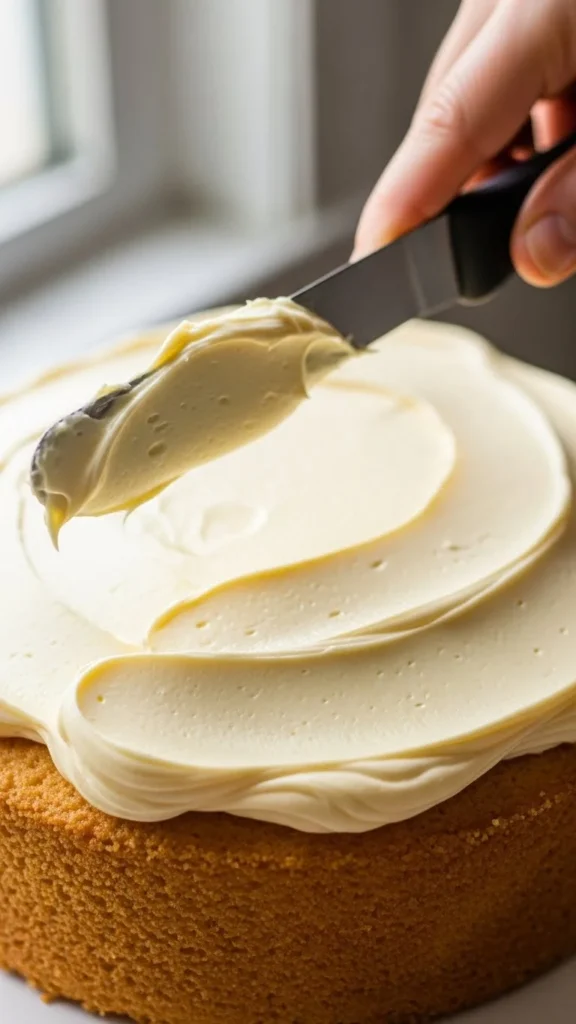
Here’s a balanced base you can tweak:
- 1 cup (226g) unsalted butter, softened
- 1½–2 cups powdered sugar
- 2–3 tablespoons heavy cream
- ¼ teaspoon fine sea salt
- 1½ teaspoons pure vanilla extract
Whip butter first, then add everything else slowly. Taste as you go—this frosting is forgiving.
Fix Buttercream That’s Already Too Sweet
Don’t panic. You’ve got options.
- Add more butter or cream cheese
- Beat in a pinch more salt
- Add 1–2 tablespoons cream
- Whip longer to lighten texture
Most frosting issues are totally fixable with small adjustments.
Final Thoughts (and a Little Pep Talk)
Buttercream doesn’t have to be painfully sweet to be stable, pipeable, or beautiful. With better ratios, longer whipping, and a few smart flavor tweaks, you’ll end up with frosting that people actually want to eat—not scrape off.
Save this recipe for later, and next time someone asks why your frosting tastes so good, you can just smile and say, “It’s all about balance.” 🍰