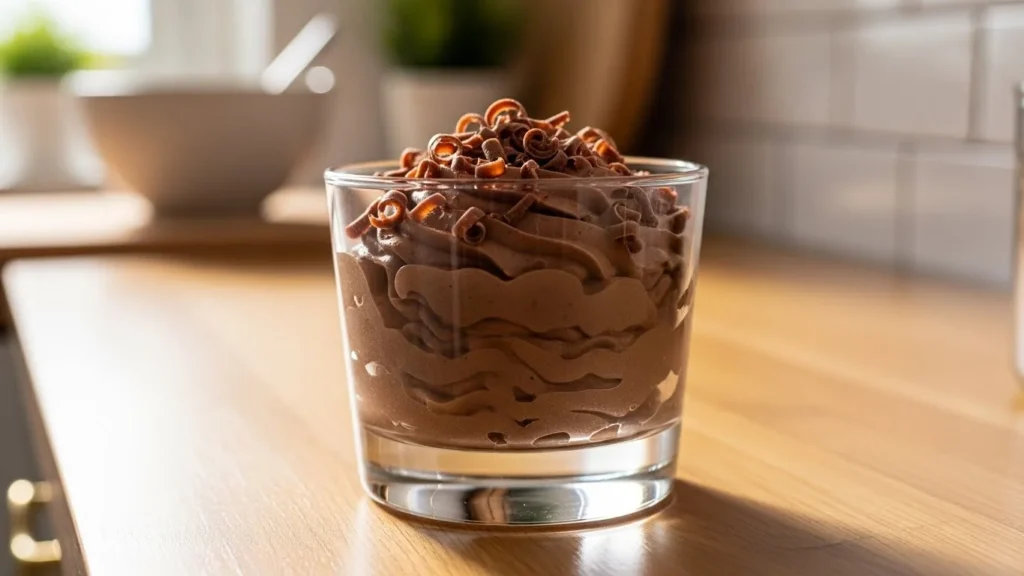
Chocolate mousse should feel like a cloud—rich, chocolatey, and somehow still light enough to melt on your tongue. If your mousse has ever turned out dense, grainy, or more like pudding than a dream, don’t worry. Light and airy mousse isn’t about fancy equipment or chef secrets. It’s about technique, timing, and knowing when to stop.
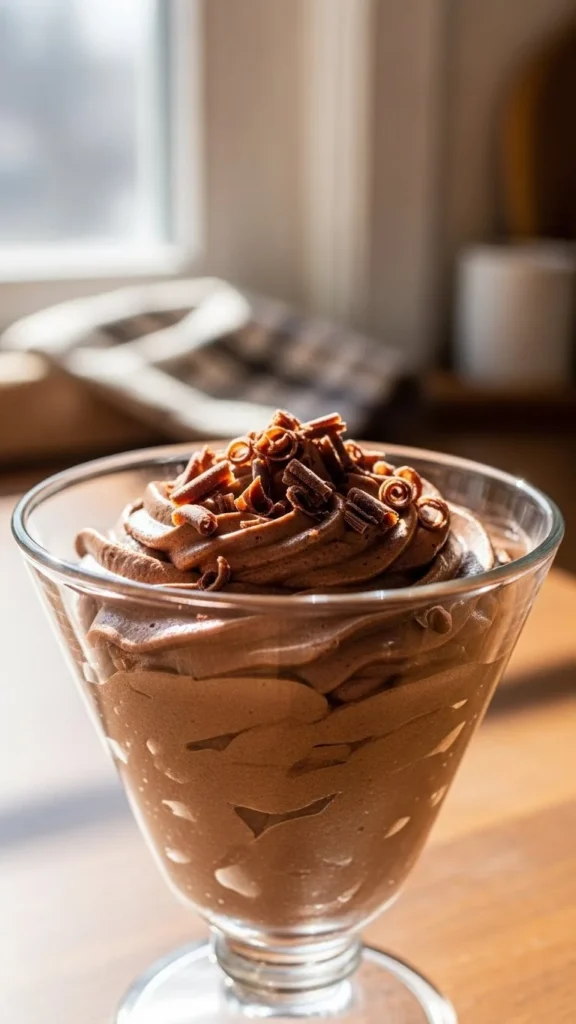
Let’s break down exactly how to make chocolate mousse that’s silky, fluffy, and impressively light every single time.
Start With the Right Chocolate (It Sets the Tone)
Chocolate is the backbone of mousse, so quality matters—but that doesn’t mean complicated.
What to look for:
- Semi-sweet or dark chocolate (60–70% cocoa)
- Smooth texture, no waxy coating
- Chocolate bars over chips (they melt more evenly)
Chocolate that’s too sweet makes mousse heavy, while very dark chocolate can overpower the airy texture. Aim for balance.
Pro tip: Chop chocolate finely before melting. It melts faster and reduces the risk of overheating, which can thicken mousse later.
Melt Gently for a Smooth Base
Chocolate mousse depends on silky melted chocolate—not scorched or stiff.
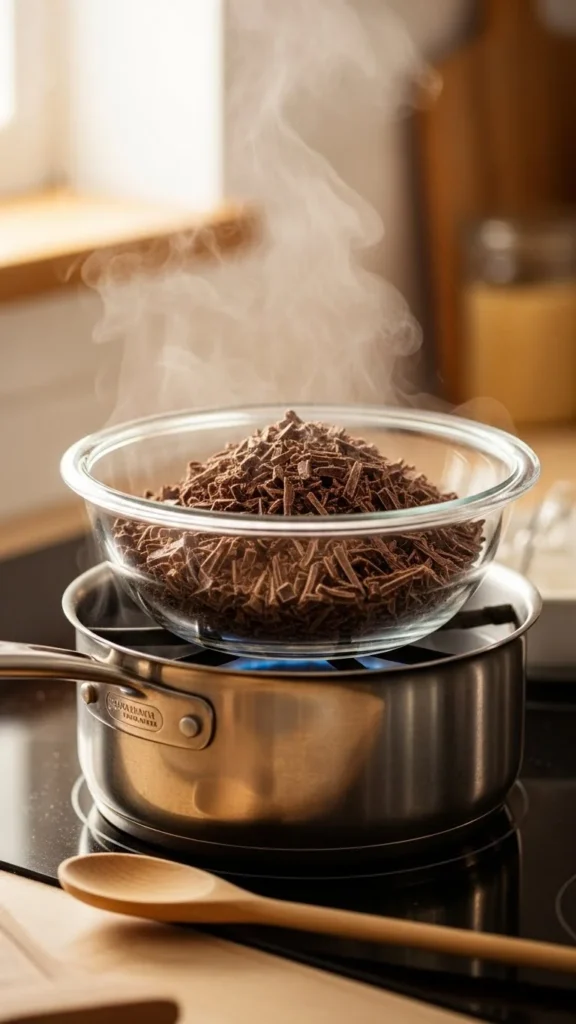
Best method:
- Use a double boiler or heatproof bowl over simmering water
- Stir gently and remove from heat as soon as melted
- Let it cool slightly before adding other ingredients
Hot chocolate can deflate whipped eggs or cream on contact. Warm is good. Hot is not.
Separate Eggs Carefully (Air Starts Here)
Classic chocolate mousse gets its lightness from whipped eggs.
How to do it right:
- Separate eggs while cold (clean separation)
- Let egg whites come to room temperature before whipping
- Keep yolks silky and smooth
Egg yolks add richness. Egg whites add lift. Treat them like different ingredients—because they are.
Whip Egg Whites to Soft, Glossy Peaks
This step is where mousse either becomes airy… or falls flat.
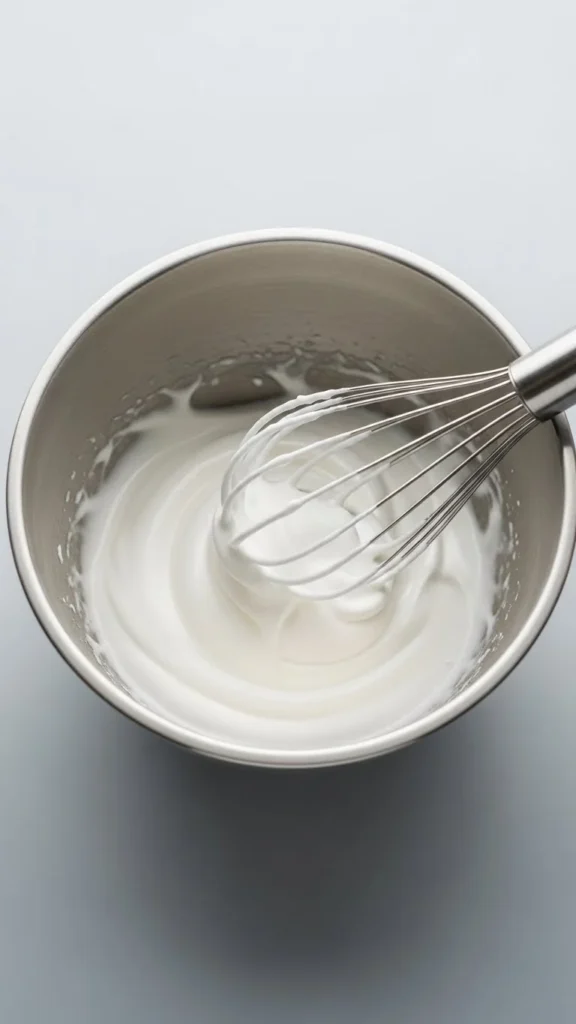
What you want:
- Soft peaks that gently fold over
- A glossy, marshmallow-like texture
- No dry or grainy clumps
Avoid stiff peaks. Overwhipped whites are hard to fold and knock air out of the mousse instead of adding it.
Whip Cream Lightly (Less Is More)
Heavy cream adds softness and helps balance the chocolate.
Perfect whipped cream for mousse:
- Cold cream
- Whipped just to soft peaks
- Spoonable, not stiff
Overwhipped cream makes mousse dense. Think “barely whipped”—the cream should still look relaxed.
Fold, Don’t Stir (This Is Non-Negotiable)
Folding is the heart of airy mousse. Stirring will undo all your hard work.
Folding order matters:
- Stir egg yolks into cooled chocolate
- Fold in whipped cream gently
- Fold in egg whites in two additions
Use a spatula. Cut down the center, lift, and turn the bowl. Slow and gentle wins here.

If the mixture loosens and looks fluffy, you’re doing it right.
Chill Just Long Enough—Not Forever
Mousse sets as it chills, but over-chilling can make it firm instead of airy.
Ideal chilling time:
- 2–4 hours for classic mousse
- Covered to prevent drying
If chilled overnight, let it sit at room temperature for 10–15 minutes before serving to restore softness.
Serve Simply to Highlight the Texture
Light mousse shines best with minimal toppings.

Great serving ideas:
- Whipped cream or crème fraîche
- Chocolate curls or shaved chocolate
- Fresh berries
- A dusting of cocoa powder
Avoid heavy sauces—they weigh down the airy texture.
Common Mistakes That Make Mousse Heavy
If your mousse isn’t light, one of these is usually the culprit:
- Chocolate too hot when mixing
- Overwhipped egg whites or cream
- Aggressive stirring instead of folding
- Too much chocolate relative to eggs and cream
Fixing just one of these can completely transform the final result.
Final Takeaway: Light Mousse Is All About Gentle Handling
Chocolate mousse doesn’t need shortcuts or stabilizers. It needs patience and a light touch:
- Quality chocolate
- Softly whipped eggs and cream
- Careful folding
- Proper chilling
Once you master those, your mousse will be silky, airy, and restaurant-worthy—every single time.
Save this recipe for later, and the next time you crave chocolate, make it float. 🍫✨