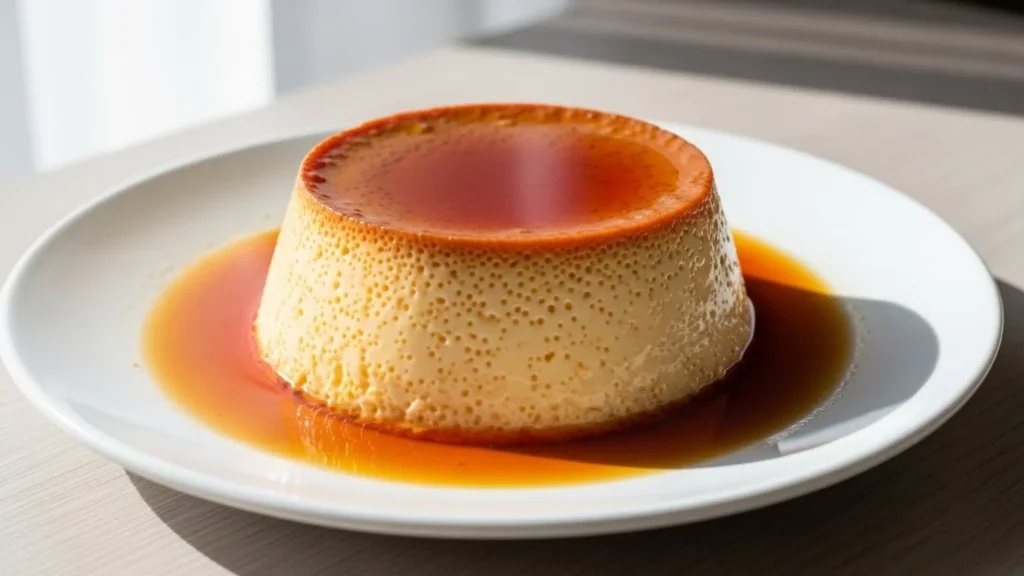
Few desserts feel as elegant—and comforting—as a classic flan. That moment when you flip it onto a plate and the caramel sauce spills down the sides? Pure kitchen magic. But if you’ve ever ended up with grainy caramel, rubbery custard, or bubbles all over the surface, you know flan can be a little intimidating. The truth is, smooth flan with silky caramel isn’t hard—it just rewards patience and gentle technique.
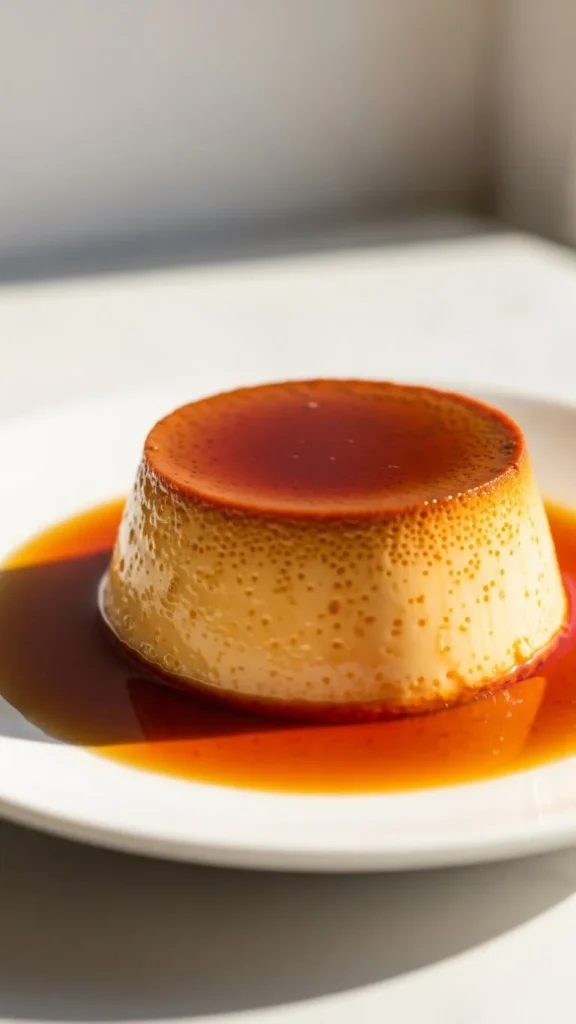
Let’s break it down step by step so you can make flan that’s creamy, smooth, and beautifully caramelized every time.
What Makes Classic Flan So Special
Flan is all about contrast:
- Bitter-sweet caramel
- Mild, creamy custard
- Ultra-smooth texture
Unlike baked cakes, flan relies on slow cooking and gentle heat. There’s no rushing it—and that’s what makes it so good.
Start with a Smooth, Even Caramel
Caramel is the foundation of flan, and getting it right sets the tone for the whole dessert.
You’ll need:
- Granulated sugar
- A heavy-bottomed saucepan
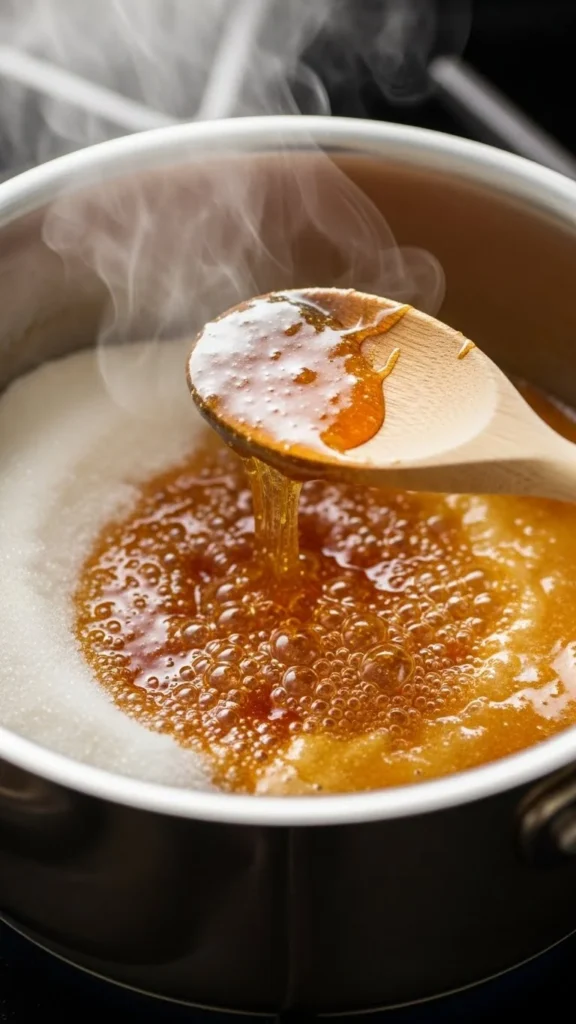
How to make smooth caramel:
- Heat sugar over medium heat
- Let it melt without stirring at first
- Swirl the pan gently as it liquefies
- Remove from heat once it turns deep amber
Avoid:
- Stirring aggressively (causes crystallization)
- Cooking too dark (leads to bitterness)
Quickly pour the caramel into your baking dish or ramekins and tilt to coat the bottom evenly. Work fast—caramel sets quickly.
Choose the Right Ingredients for Silky Custard
Flan uses simple ingredients, but quality matters.
Classic custard ingredients:
- Eggs
- Sweetened condensed milk
- Evaporated milk (or whole milk)
- Vanilla extract

Why this combo works:
- Condensed milk adds sweetness and body
- Evaporated milk creates richness without heaviness
- Eggs set the custard gently
Skip low-fat substitutions here—this is not the dessert for shortcuts.
Mix Gently to Avoid Bubbles
Bubbles are the enemy of smooth flan.
Best mixing method:
- Whisk eggs lightly—don’t beat
- Stir in milks and vanilla slowly
- Mix just until combined

If you see foam on top, skim it off with a spoon. Less air = silkier flan.
Strain the Custard (This Step Is Gold)
This one step makes a huge difference.
- Pour the custard through a fine-mesh sieve
- Do this directly into the caramel-lined dish
Why it matters:
- Removes eggy strands
- Catches unmixed bits
- Guarantees a smooth final texture
It takes 30 seconds and instantly levels up your flan.
Bake in a Water Bath for Gentle Heat
Flan needs slow, even cooking. A water bath (bain-marie) is non-negotiable.

How to do it:
- Place flan dish in a larger pan
- Pour hot water halfway up the sides
- Bake at 325°F (165°C)
The water:
- Prevents curdling
- Keeps temperature steady
- Ensures creamy texture
Bake until the center jiggles slightly—like gelatin, not liquid.
Cool Slowly, Then Chill Completely
Once baked:
- Remove from the water bath
- Cool to room temperature
- Refrigerate at least 4 hours, preferably overnight
Skipping the chill step leads to loose texture and messy unmolding.
Patience here pays off big time.
Unmold Like a Pro
This is the moment everyone waits for.
To unmold cleanly:
- Run a thin knife around the edges
- Place a plate over the dish
- Flip confidently in one motion
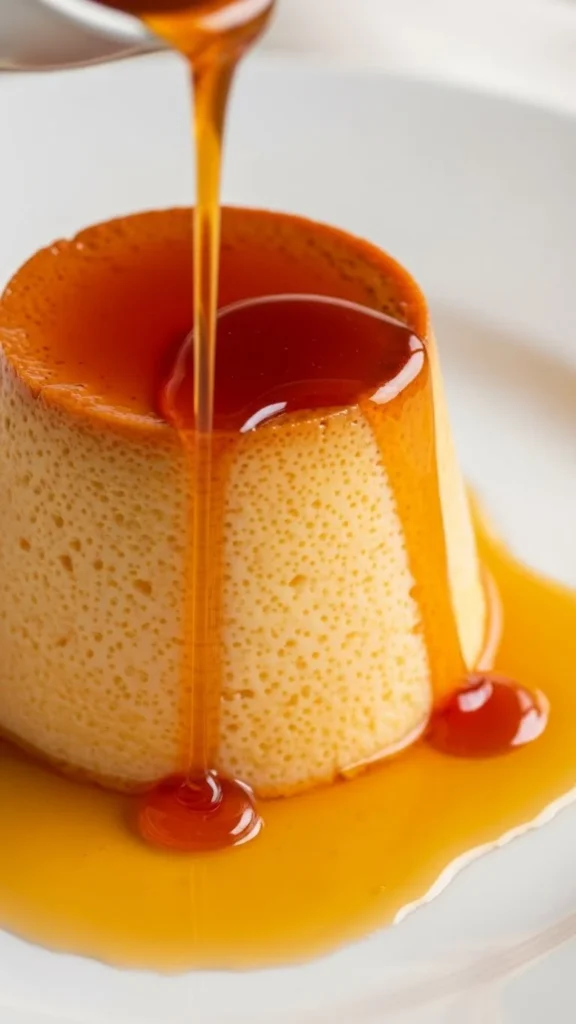
If it doesn’t release right away, give it a gentle shake—gravity will do the rest.
Common Flan Problems (And Easy Fixes)
If your flan didn’t turn out perfect, here’s why:
- Rubbery texture → Oven too hot or overbaked
- Bubbles inside → Overmixed custard
- Hard caramel → Caramel cooked too dark
- Watery flan → Underbaked or not chilled long enough
Flan is forgiving once you know what to adjust.
Final Takeaway
Classic flan with smooth caramel isn’t about fancy tools or secret ingredients—it’s about calm, gentle cooking and a little patience. Take your time with the caramel, mix softly, bake low and slow, and let the fridge do its magic.
Save this recipe for later, and the next time you flip a flan, enjoy that perfect caramel pour—you’ve earned it 🍮✨