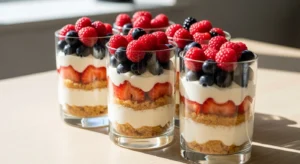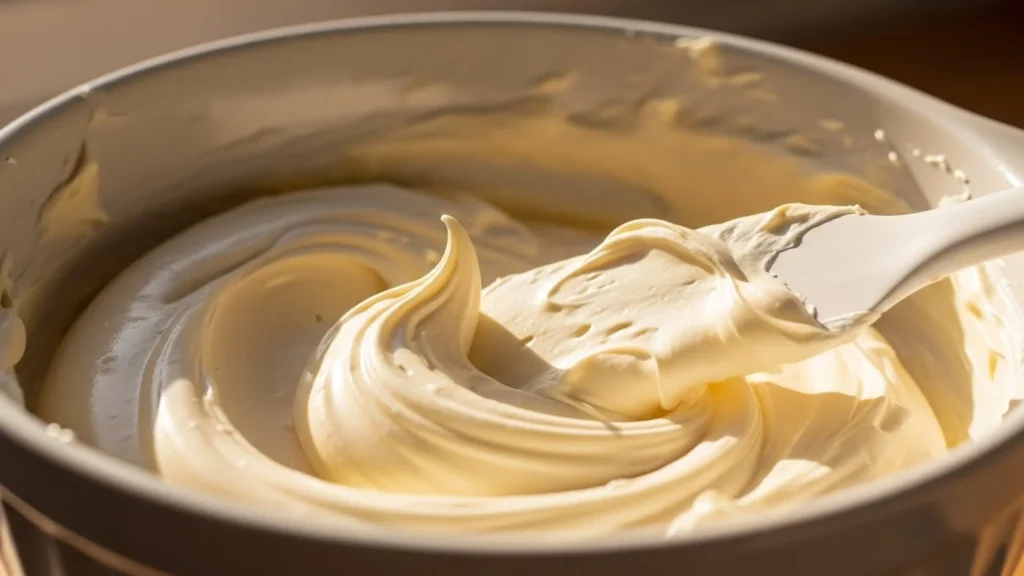
Few things are more satisfying than frosting that glides through a piping bag like silk and holds its shape in perfect swirls. Few things are more frustrating than frosting that’s grainy, too stiff, or suddenly collapsing mid-pipe. If you’ve ever wondered why bakery cakes look so polished while homemade ones feel a little… rustic, frosting technique is usually the reason.
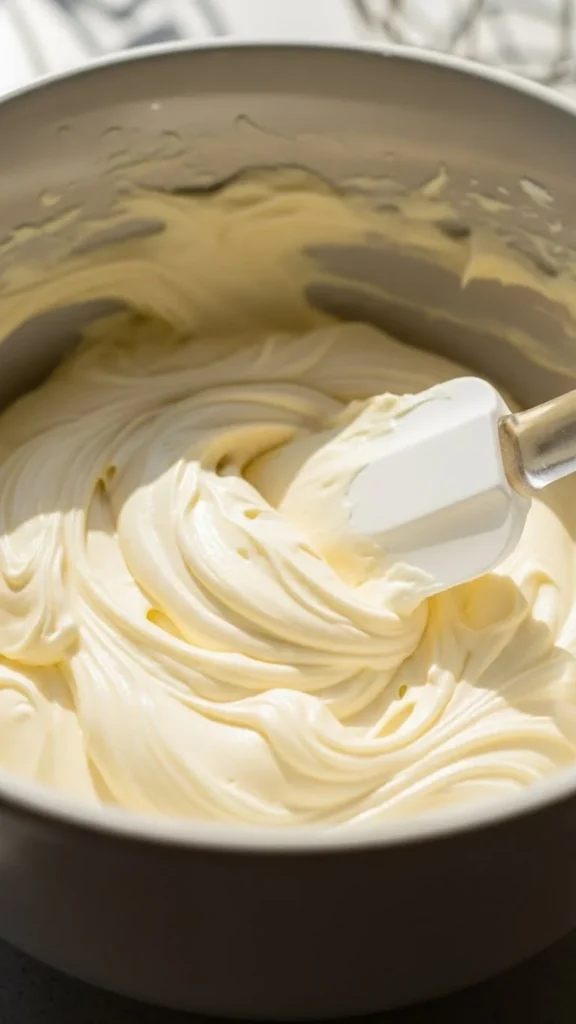
The good news? Smooth, pipeable frosting isn’t about special equipment or secret ingredients. It’s about texture control, timing, and a few small habits that make a huge difference. Once you nail those, your frosting will pipe clean lines, sharp rosettes, and elegant borders every time.
What Makes Frosting Pipe Smoothly?
Perfect piping frosting sits right in the sweet spot between soft and structured.
It should be:
- Smooth, not grainy
- Soft enough to squeeze easily
- Firm enough to hold its shape
If frosting is too stiff, it cracks. If it’s too loose, it melts into itself. Balance is everything.
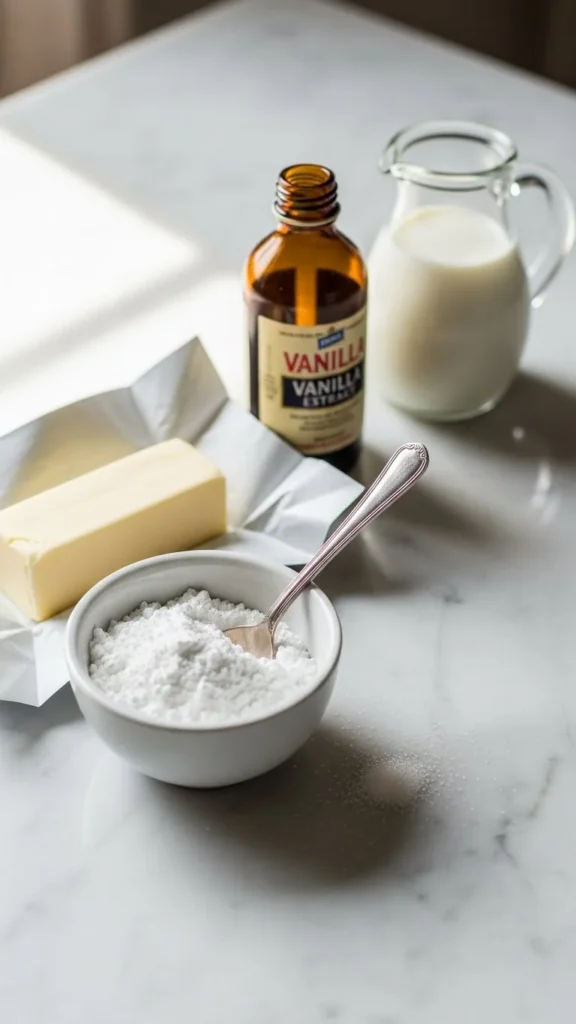
Start with the Right Ingredients
You don’t need anything fancy, but quality and temperature matter more than people realize.
Butter Is the Base
- Use unsalted butter for control
- Butter should be soft, not melted
- When pressed, it should leave a slight indent
Butter that’s too cold creates lumps. Butter that’s too warm makes frosting greasy and unstable.
Sugar Choice Matters
- Powdered sugar creates smooth texture
- Sift it if it looks clumpy
Granulated sugar won’t dissolve properly and causes gritty frosting.
Liquid in Small Amounts
Milk, cream, or flavor extracts help adjust consistency—but only add them gradually.
The Mixing Method That Makes All the Difference
The biggest frosting mistakes happen during mixing.
Step 1: Whip the Butter First
Beat butter alone until:
- Pale in color
- Light and fluffy
- Smooth with no visible lumps
This step builds the base texture before sugar even enters the bowl.
Step 2: Add Sugar Slowly
Add powdered sugar in small additions.
- Mix on low speed at first
- Scrape the bowl often
- Increase speed once incorporated
Rushing this step traps air unevenly and causes rough texture.
Step 3: Finish with Liquid and Flavor
Add vanilla, milk, or cream a little at a time until the frosting is:
- Smooth
- Spreadable
- Soft but structured

How to Get That Ultra-Smooth, Bakery-Style Finish
Even well-made frosting can look rough if you stop too early.
Try these pro tricks:
- Beat frosting an extra minute on low speed to remove air bubbles
- Use a spatula to press frosting against the bowl to smooth it
- Let frosting rest for 5–10 minutes before piping
Resting allows air pockets to settle, which leads to cleaner piping lines.
Adjusting Frosting for Piping vs. Spreading
Not all frosting textures work for every job.
For Piping:
- Slightly firmer texture
- Holds peaks without drooping
- Forms clean ridges from piping tips
For Spreading:
- Softer, looser texture
- Easy to glide across cake surfaces
If frosting is too stiff, add:
- A teaspoon of cream or milk
If frosting is too loose, add:
- More powdered sugar in small amounts
Always adjust slowly. Tiny changes make a big difference.
Piping Tips and Bag Prep Matter Too
Perfect frosting can still fail if your tools aren’t ready.
Helpful tips:
- Use sturdy piping bags
- Don’t overfill—half full gives better control
- Twist the top tightly to prevent pressure loss
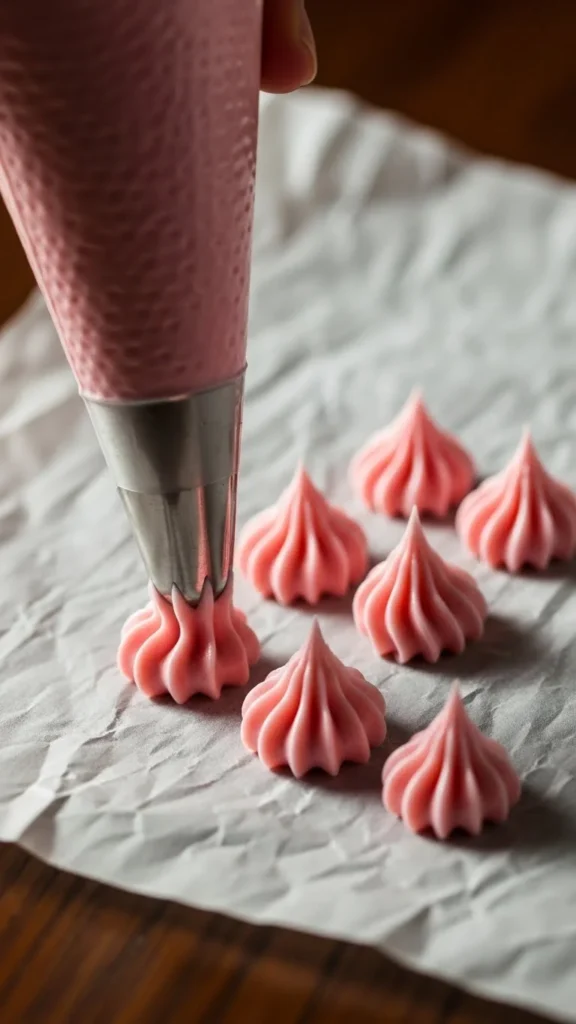
Before decorating your cake, pipe a few test swirls onto parchment paper to check consistency.
Temperature Can Make or Break Your Frosting
Frosting reacts fast to heat.
If your kitchen is warm:
- Frosting softens quickly
- Shapes lose definition
Fix this by:
- Chilling frosting briefly
- Working in short bursts
- Refrigerating the cake between piping steps
If frosting gets too cold and stiff, let it sit at room temperature and re-mix gently.
Common Frosting Problems (and Easy Fixes)
If your frosting isn’t behaving, it’s usually one of these:
- Grainy texture: Butter too cold or sugar not sifted
- Air bubbles: Overwhipped at high speed
- Melting shapes: Frosting too warm
- Cracked piping: Frosting too stiff
Each issue has a quick fix—don’t toss the batch before trying adjustments.
Final Takeaway: Smooth Frosting Is a Skill You Can Master
Smooth, beautifully piped frosting isn’t reserved for professionals. It’s the result of patience, proper mixing, and understanding texture. Once you learn how frosting should feel, you’ll be able to adjust it instinctively every time.
Save this guide for your next baking project, pin it to your decorating board, and enjoy frosting that pipes cleanly, holds its shape, and makes every cake look bakery-worthy. 🎂✨