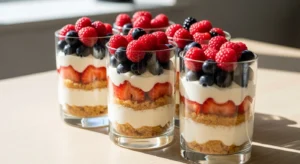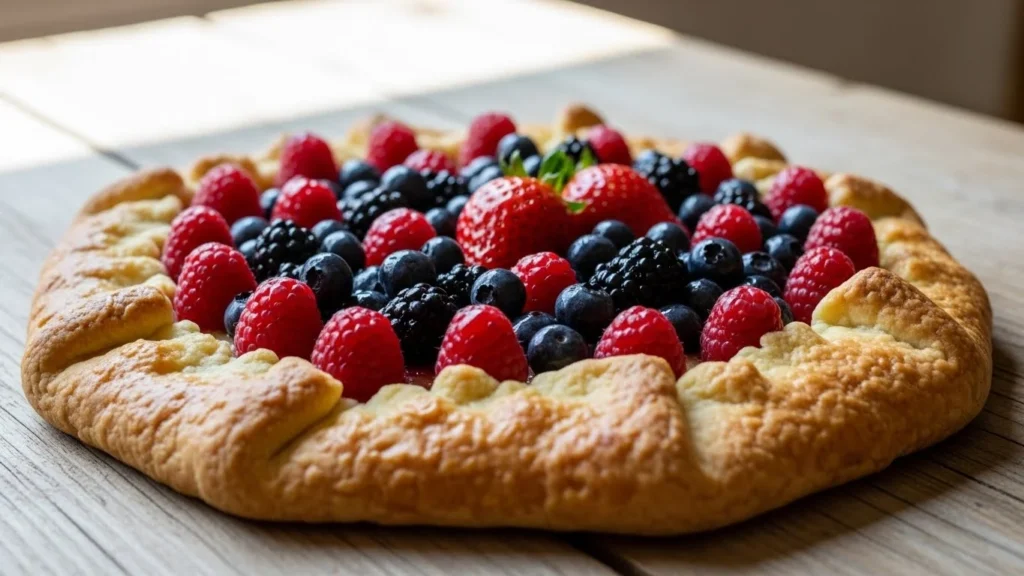
Nothing is more disappointing than pulling a beautiful fruit dessert out of the oven—only to discover a wet crust, mushy filling, or watery puddle underneath. Fruit desserts should be juicy and vibrant, not soggy and limp. The good news? Sogginess isn’t bad luck—it’s usually the result of a few fixable mistakes.
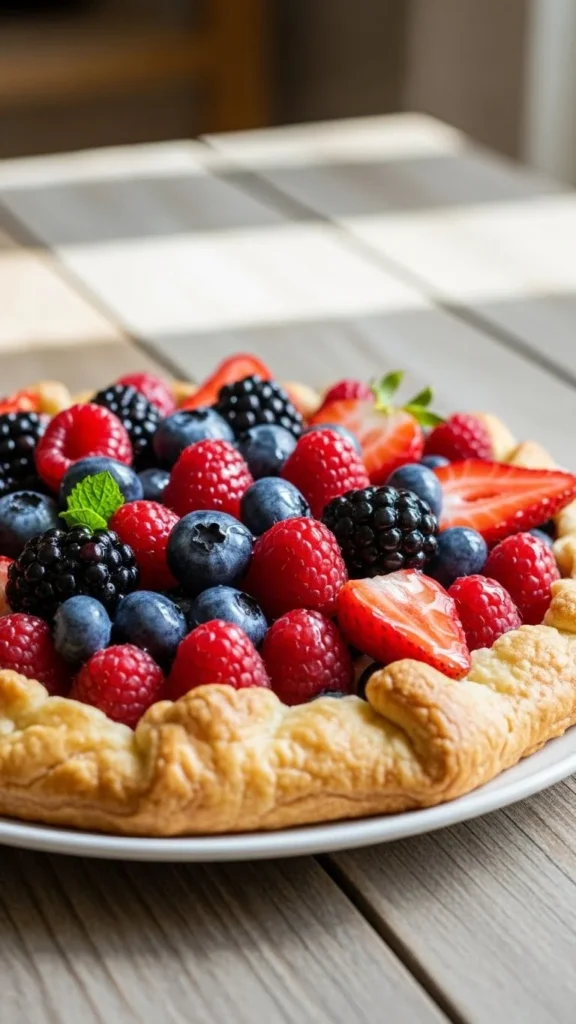
With the right prep, smart ingredient choices, and a few pro techniques, you can make fruit desserts that stay crisp, structured, and irresistible from the first bite to the last.
Choose the Right Fruit (Not All Fruit Bakes the Same)
Fruit releases moisture as it bakes—but some fruits release far more than others.
Lower-moisture fruits (easier to manage)
- Apples
- Pears
- Blueberries
- Cherries
High-moisture fruits (need extra care)
- Strawberries
- Peaches
- Pineapple
- Mango
Tip:
If a fruit feels very juicy when sliced, assume it needs extra moisture control before baking.
Prep Fruit Properly Before Baking
Skipping this step is the #1 cause of soggy desserts.
Essential prep techniques
- Slice evenly so fruit cooks at the same rate
- Pat dry juicy fruit with paper towels
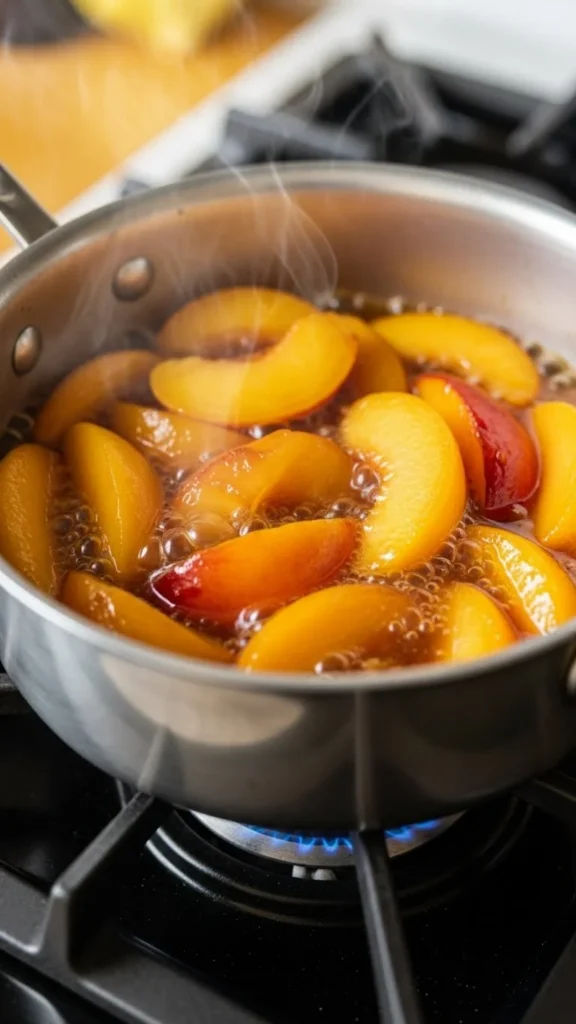
- Pre-cook very wet fruits (like berries or peaches) for 5–10 minutes
Pre-cooking evaporates excess liquid and concentrates flavor—double win.
Use the Right Thickener (And Enough of It)
Fruit juices need help setting up. That’s where thickeners come in.
Best thickeners for fruit desserts
- Cornstarch – clear, glossy finish
- Tapioca starch – excellent for pies
- Flour – classic, slightly softer set
- Arrowroot – great for acidic fruits
General guideline
- 1–2 tablespoons thickener per 4 cups fruit
- Increase slightly for very juicy fruits
Mix thickener with sugar before adding to fruit to prevent clumps.
Create a Moisture Barrier for Crusts
Crust sogginess often happens before fruit even goes in the oven.
Easy crust-protection tricks
- Brush crust with egg white and pre-bake
- Sprinkle:
- Ground nuts
- Cookie crumbs
- Semolina or flour
- Ground nuts
- Spread a thin layer of jam or melted chocolate
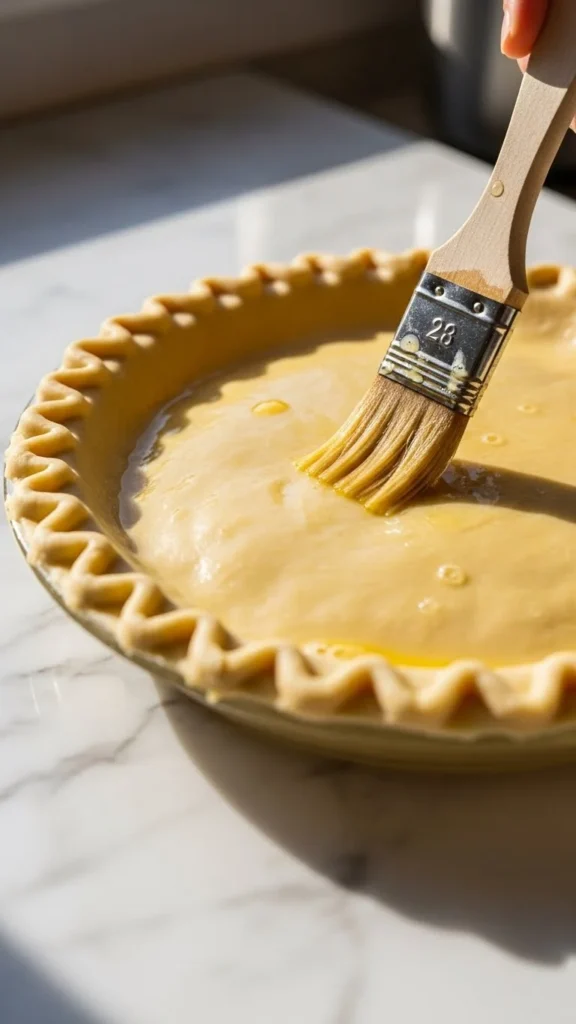
These barriers absorb or repel moisture so your crust stays crisp.
Bake Hot Enough (Low Heat = Wet Desserts)
Fruit desserts need heat to evaporate moisture and activate thickeners.
Ideal baking tips
- Bake pies and crisps at 375–425°F (190–220°C)
- Use a preheated oven—always
- Place desserts on the lower oven rack for crisp bottoms
If your dessert looks pale, it’s probably underbaked—and underbaked fruit desserts stay wet.
Don’t Overfill Your Dessert
More fruit seems better… until it collapses into soup.
Why overfilling causes sogginess
- Fruit releases more liquid than thickener can handle
- Steam gets trapped
- Crust never fully bakes
Stick to recommended quantities and mound gently, not excessively.
Let Desserts Cool (This Is Not Optional)
Fresh-from-the-oven fruit desserts are still setting internally.
Cooling matters because:
- Thickeners finish binding juices
- Steam escapes
- Structure firms up
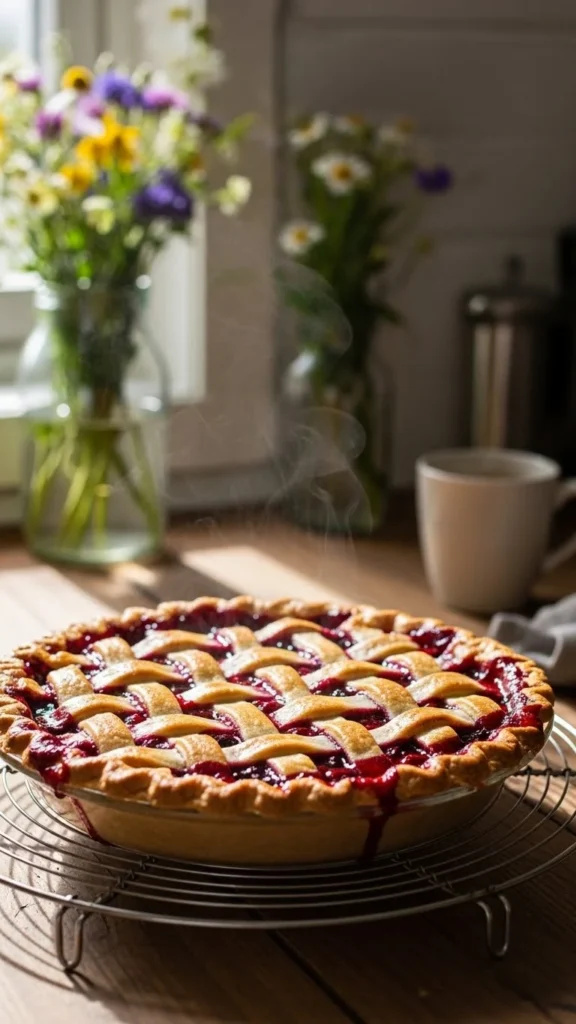
Wait times
- Pies: 2–3 hours
- Bars: 1–2 hours
- Crisps & crumbles: 30–45 minutes
Cutting too early guarantees sogginess.
Choose the Right Dessert Style
Some fruit desserts are naturally more forgiving.
Least likely to turn soggy
- Crisps & crumbles
- Galettes
- Cobblers
- Fruit bars with shortbread bases
Need extra care
- Double-crust pies
- Sponge cakes with fresh fruit layers
- No-bake fruit tarts
Match your technique to the dessert style for best results.
Storage Tips That Prevent Soggy Leftovers
Even perfectly baked fruit desserts can turn soggy overnight.
Store smarter
- Cool completely before covering
- Use breathable covers (foil tent instead of plastic wrap)
- Refrigerate only when necessary
- Reheat briefly in the oven to re-crisp crusts
Avoid airtight containers unless the dessert is fully chilled.
Common Soggy Mistakes to Avoid
- Skipping thickener
- Using frozen fruit without thawing and draining
- Baking at too low a temperature
- Cutting while hot
- Storing warm desserts covered
Fix these, and sogginess almost disappears.
Final Takeaway
Fruit desserts don’t have to be a gamble. With proper fruit prep, smart thickening, crust protection, and patience during cooling, you can enjoy desserts that are juicy without being wet. Once you master moisture control, every pie, tart, and crumble comes out beautifully structured and bakery-worthy.
Save this guide for later—your future fruit desserts will thank you 🍓🥧✨