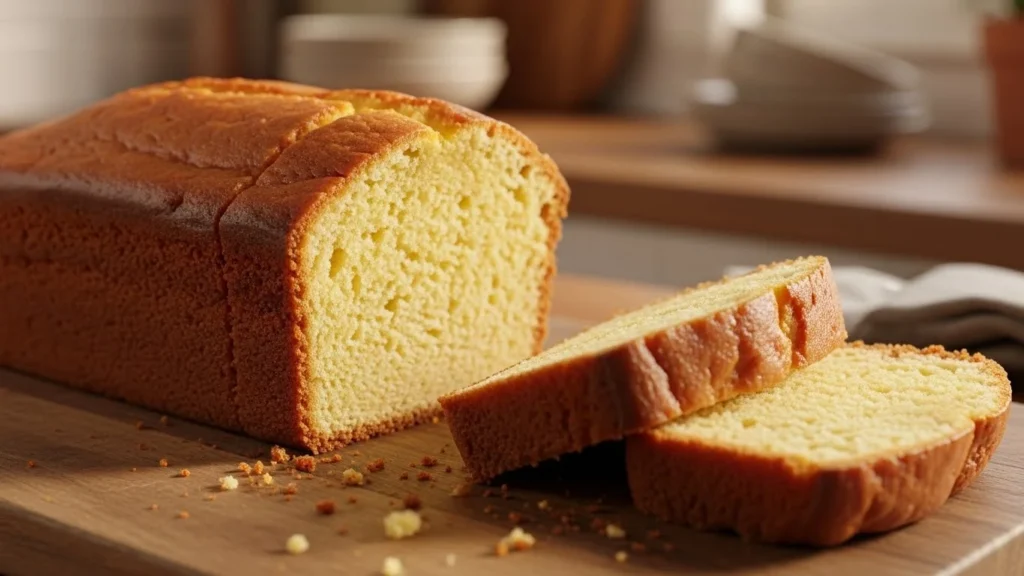
There’s something magical about a perfect pound cake. It should feel rich and substantial when you slice it, yet melt softly the moment it hits your tongue. Not dry. Not airy like sponge cake. Just that classic, buttery crumb that tastes like comfort in dessert form. If you’ve ever baked a pound cake that turned out heavy and dry—or fluffy but lacking that signature density—you’re not alone. Let’s fix that.
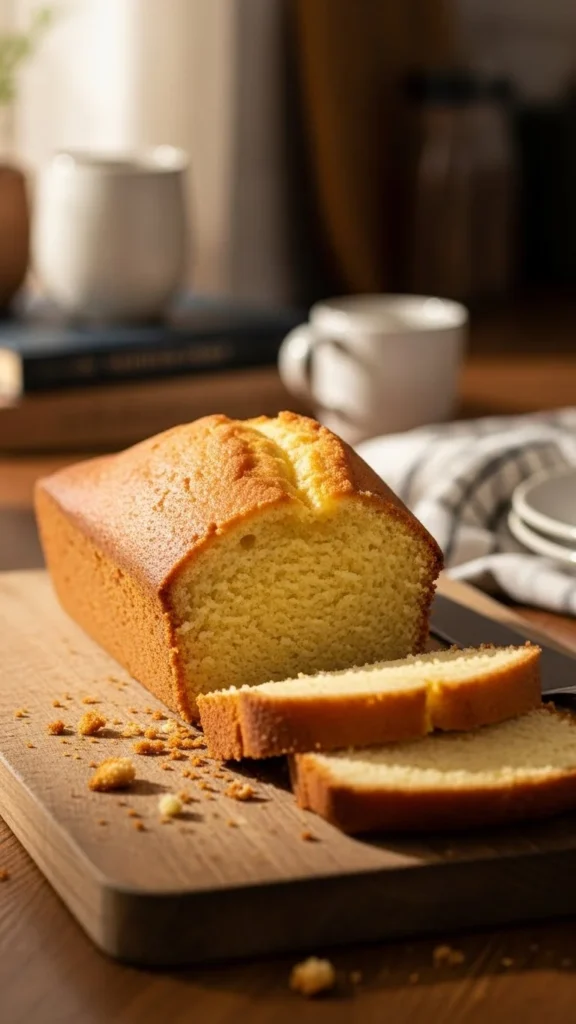
What “Dense but Soft” Really Means
Before we bake, let’s get clear on the goal.
A great pound cake should:
- Hold its shape when sliced
- Feel slightly weighty in your hand
- Have a tight, fine crumb
- Stay moist for days
Density comes from fat, eggs, and structure. Softness comes from proper mixing, moisture balance, and gentle baking. You need both working together.
Start With the Right Ingredients (This Matters More Than You Think)
Pound cake is simple, which means every ingredient counts.
You’ll want:
- Unsalted butter (room temperature, not melted)
- Granulated sugar for classic structure
- Eggs at room temperature
- All-purpose flour (measured correctly)
- Milk or cream for moisture
- Vanilla extract and a pinch of salt
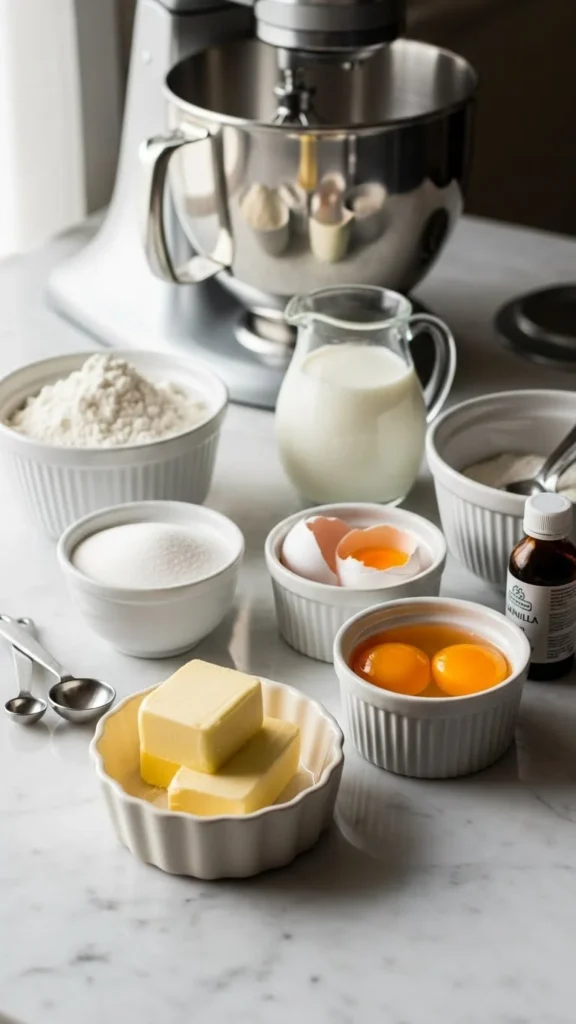
Key ingredient tips:
- Butter should be soft enough to press, but not greasy
- Cold eggs can break the batter—always warm them first
- Spoon flour into the measuring cup, then level it off
These tiny details are what separate a tender crumb from a tough one.
Creaming Butter and Sugar: The Most Important Step
This is where pound cake success really begins.
Cream the butter and sugar slowly and thoroughly until:
- The mixture looks pale and fluffy
- Sugar is fully dissolved
- The texture feels light, not grainy
This process traps air just enough to soften the cake without making it fluffy like a sponge.
Don’t rush this step. Five minutes on medium speed is common—and worth it.
Add Eggs Slowly (Yes, One at a Time)
Eggs provide structure, richness, and moisture—but only if added correctly.
- Add eggs one at a time
- Beat well after each addition
- Scrape the bowl frequently
If the batter looks curdled, don’t panic. It will smooth out once flour is added.
This slow incorporation keeps the batter stable and prevents a dense, rubbery texture.
Folding in Flour Without Overmixing
Once flour enters the picture, gentleness is key.
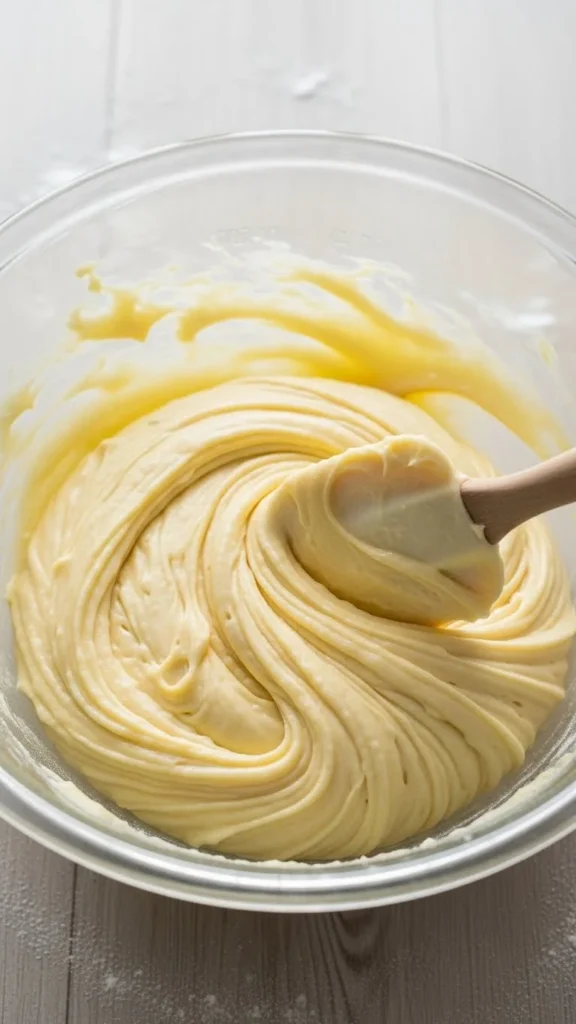
Best approach:
- Add flour in two to three additions
- Alternate with milk or cream
- Mix on low speed or fold by hand
Stop mixing as soon as the flour disappears. Overmixing activates gluten, which leads to toughness—and that’s the opposite of soft.
Bake Low and Slow for Even Texture
Pound cake hates high heat.
Ideal baking setup:
- Oven temperature: 325°F (165°C)
- Center rack placement
- Light-colored loaf pan or bundt pan

Why this works:
- Lower heat cooks the center evenly
- Prevents a dry crust
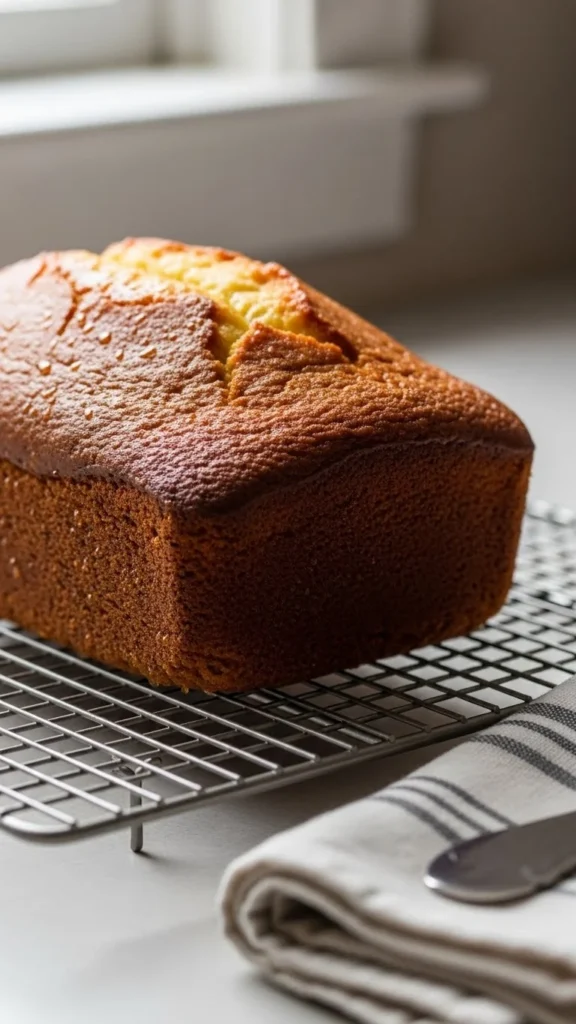
- Encourages that classic crack down the middle
Bake until a toothpick comes out with moist crumbs, not wet batter.
Let It Cool the Right Way
Cooling is part of the recipe—seriously.
- Cool in the pan for 10–15 minutes
- Turn out onto a wire rack
- Let cool completely before slicing
Cutting too early releases steam and dries the cake out fast.
Common Pound Cake Mistakes (And How to Avoid Them)
If your cake isn’t quite right, one of these is usually the culprit:
- Dry cake → Too much flour or overbaking
- Heavy and gummy → Overmixing or cold ingredients
- Sunken center → Oven too hot or underbaked middle
- Greasy texture → Butter too warm or melted
Fixing just one of these can completely change your results.
How to Keep Pound Cake Soft for Days
Pound cake actually improves with time—if stored properly.
- Wrap tightly in plastic wrap once cooled
- Store at room temperature up to 3 days
- Refrigerate only if your kitchen is very warm
- Freeze slices for up to 2 months
That dense-but-soft crumb stays moist and rich when sealed well.
Final Takeaway
Making a pound cake that’s dense but soft isn’t about fancy tricks—it’s about patience, temperature, and balance. Cream slowly, mix gently, bake evenly, and let the cake rest. Do that, and you’ll get a classic pound cake that slices beautifully, tastes rich, and stays tender bite after bite.
Save this recipe for later—and next time you bake, trust the process. 🍰