There’s nothing more disappointing than a pudding that looks silky but tastes faintly chalky. That unmistakable cornstarch aftertaste can ruin an otherwise cozy dessert moment. The good news? You don’t need to ditch cornstarch entirely to get ultra-creamy pudding—you just need to use it correctly.
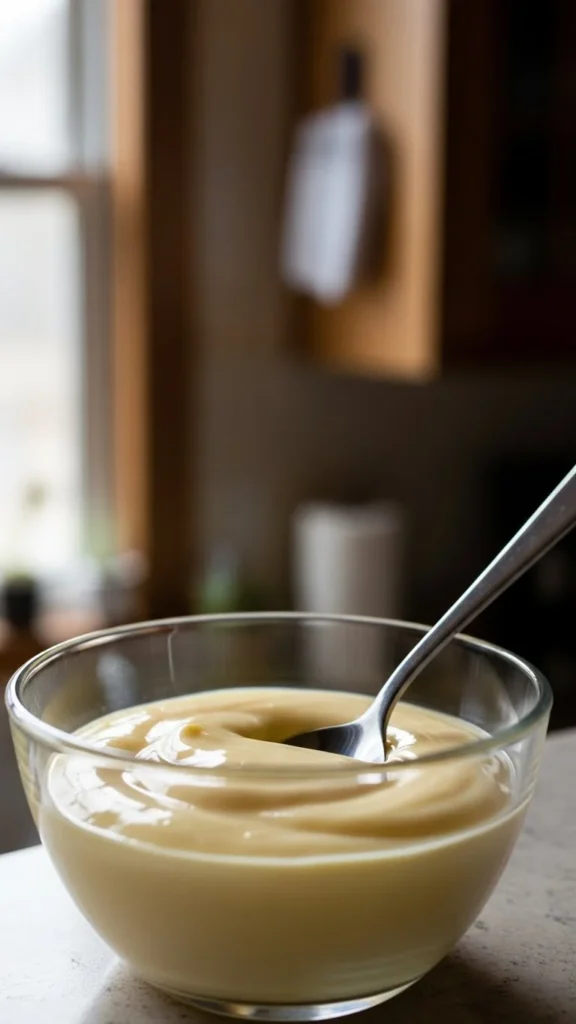
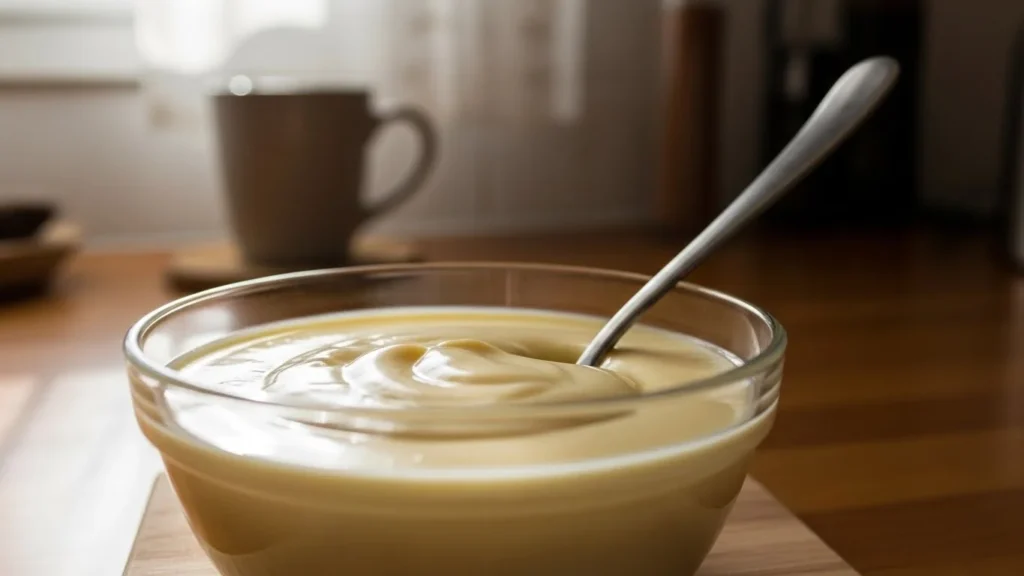
This guide will show you exactly how to make pudding that’s smooth, rich, and clean-tasting—no starchy finish, no gummy texture, just pure comfort in a spoon.
Why Cornstarch Sometimes Tastes Bad in Pudding
Cornstarch itself is neutral, but it can taste unpleasant when it’s mishandled.
Common reasons pudding tastes starchy:
- Cornstarch wasn’t fully cooked
- Too much cornstarch was used
- Heat was too low or too short
- Cornstarch wasn’t dissolved properly
Cornstarch needs heat and time to fully gelatinize. If it doesn’t reach the right temperature—or if it’s rushed—you’ll taste it.
Use the Right Ratio (More Is Not Better)
One of the biggest mistakes is over-thickening.
A good base ratio:
- 2 tablespoons cornstarch per 2 cups milk
That’s it. Anything more can push your pudding into glue territory.
If you want extra richness, don’t add more starch—add:
- Egg yolks
- Cream
- Butter at the end
Creaminess comes from fat, not starch.
Always Make a Slurry First
Never add dry cornstarch directly to hot milk. That’s how lumps and raw flavor happen.
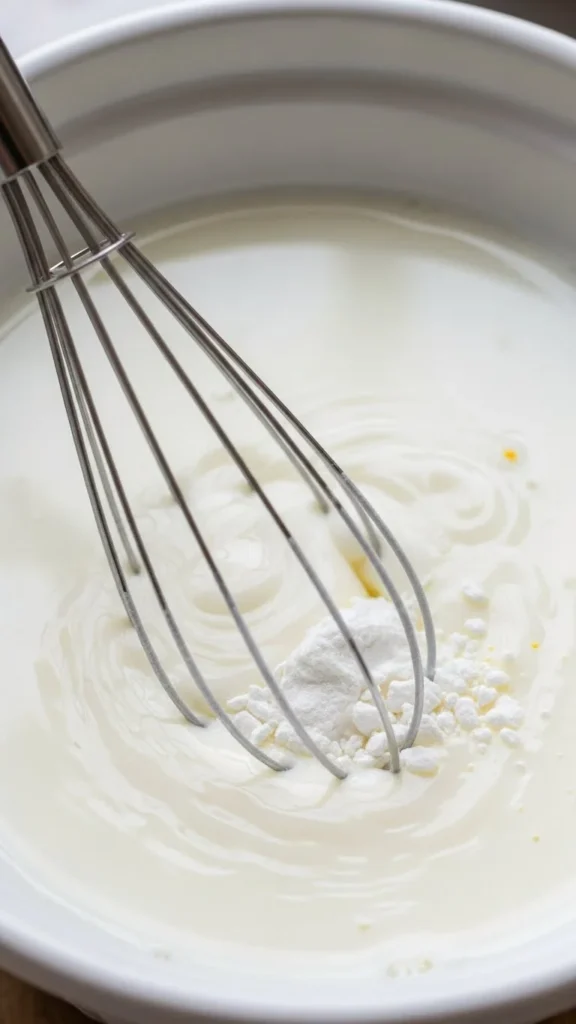
Do this instead:
- Whisk cornstarch with cold milk
- Stir until completely smooth
- Add this slurry to the pot before heating
This ensures even thickening and prevents that gritty taste.
Cook It Long Enough (This Is the Secret)
Cornstarch doesn’t fully lose its raw taste until it boils.
Proper cooking method:
- Heat pudding over medium heat
- Stir constantly
- Bring it to a gentle boil
- Let it bubble for at least 30–60 seconds

You should see:
- Thickening suddenly intensify
- A glossy, smooth texture
- No graininess when tasted
If you stop before boiling, the cornstarch flavor stays.
Add Eggs the Smart Way (Optional but Powerful)
Egg yolks add luxurious texture and help reduce the need for extra cornstarch.
How to use them correctly:
- Whisk yolks with sugar first
- Temper with hot milk slowly
- Add back to the pot before final thickening
This gives pudding:
- Creamier mouthfeel
- Deeper flavor
- Softer, custard-like structure
Bonus: eggs mask any remaining starch notes beautifully.
Finish with Fat for a Clean, Creamy Taste
Once your pudding is thick and fully cooked, turn off the heat and finish strong.
Add:
- Butter (1–2 tablespoons)
- Vanilla extract
- A splash of cream (optional)
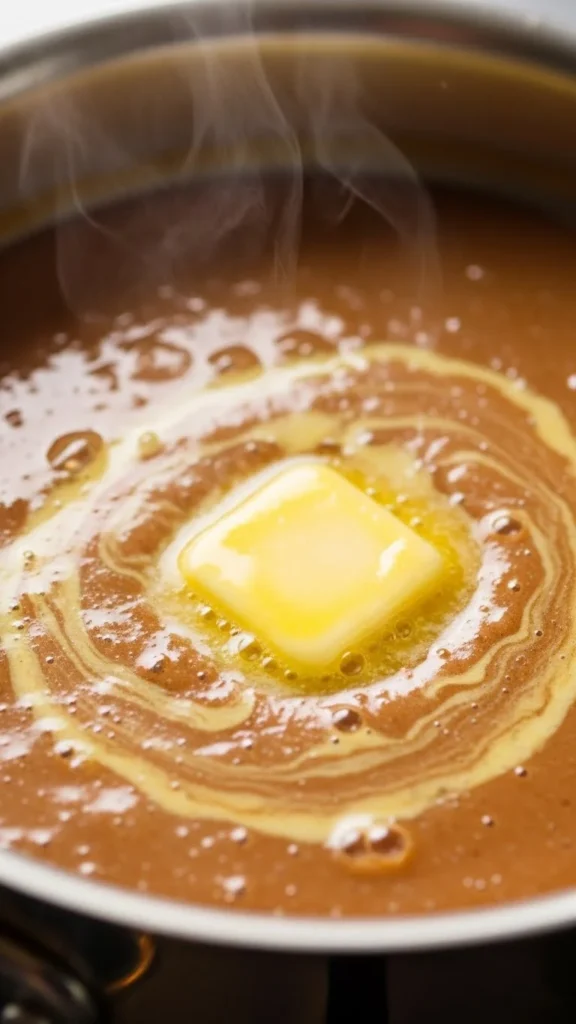
Why this works:
- Fat coats the tongue
- Softens any sharp starch edges
- Enhances flavor without sweetness
This step alone can transform pudding from “meh” to bakery-level.
Strain for Ultra-Smooth Results (Optional but Worth It)
If you want perfectly smooth pudding:
- Pour it through a fine-mesh sieve
- Do this while it’s still hot
This removes:
- Tiny lumps
- Overcooked egg bits
- Any uneven starch pockets
Especially helpful for chocolate or vanilla puddings meant for layering or serving plain.
Chill It the Right Way (Avoid Skin and Gumminess)
Cooling matters more than you think.
Best method:
- Pour pudding into a shallow dish
- Press plastic wrap directly onto the surface
- Chill until fully set
Avoid:
- Stirring while cooling (breaks structure)
- Leaving it uncovered (forms skin)
- Over-chilling without fat (can turn rubbery)
Common Fixes If Your Pudding Still Tastes Starchy
If something went wrong, here’s how to troubleshoot:
- Starchy taste → Cook longer next time
- Too thick → Reduce cornstarch, add milk
- Gummy texture → Overcooked or too much starch
- Flat flavor → Add salt, vanilla, or butter
Pudding is forgiving—you’re usually one small tweak away from fixing it.
Final Takeaway
Creamy pudding without cornstarch taste isn’t about cutting corners—it’s about respecting the process. Use the right ratio, dissolve it properly, cook it long enough, and finish with fat. That’s the formula for smooth, rich pudding that tastes clean and comforting every single time.
Save this guide for later, and next time pudding is on the menu, you’ll nail it—no chalky spoonfuls allowed 🍮✨