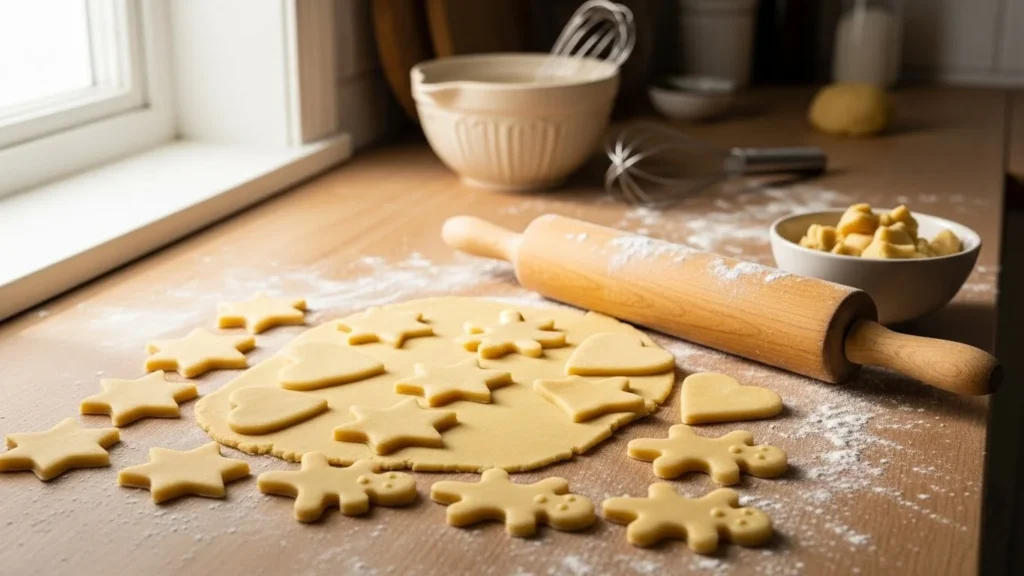
There’s nothing more frustrating than spending time rolling, cutting, and arranging sugar cookies—only to watch them spread into unrecognizable blobs in the oven. If you’ve ever pulled out a tray of “snowflakes” that look more like puddles, you’re not alone. The good news? Shape-holding sugar cookies are 100% achievable, and they don’t require mystery ingredients or pro-level tools.
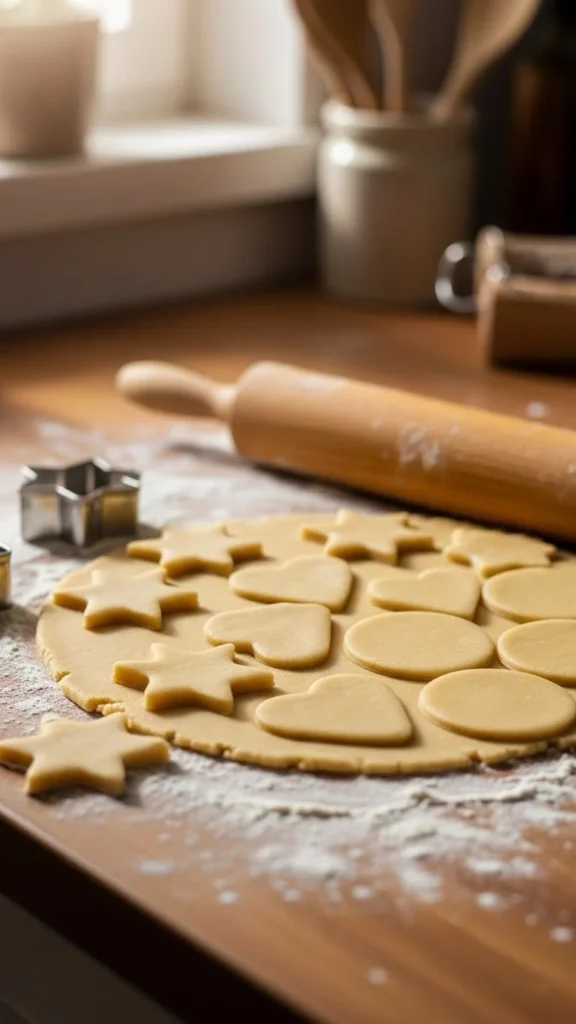
This guide breaks down exactly what works, what doesn’t, and how to bake sugar cookies that come out crisp-edged, clean, and ready to decorate—every single time.
Why Sugar Cookies Lose Their Shape
Sugar cookies spread when the fat melts before the structure sets. That usually happens because of:
- Too much butter
- Dough that’s too warm
- Over-creamed butter and sugar
- Too little flour or structure
The trick isn’t making the dough stiff—it’s creating the right balance so the cookies set quickly in the oven without puffing or melting.
The Ingredients That Make or Break Shape
Classic sugar cookies use simple pantry staples, but ratios matter more than variety.
What works best:
- All-purpose flour for reliable structure
- Butter (not margarine), cool but pliable
- Granulated sugar for clean edges
- Eggs for binding (usually one is enough)
- Vanilla or almond extract for flavor
- Salt to balance sweetness
Avoid liquid sweeteners or extra yolks—those increase spread.

The Mixing Method That Prevents Spreading
Cream gently, not aggressively
Cream butter and sugar just until combined and smooth. You’re not looking for light and fluffy here—that introduces air, which leads to puffing and spreading.
Add eggs and flavoring
Mix in the egg and extract until incorporated. Scrape the bowl to keep everything even.
Add flour last
Stir in flour and salt on low speed or by hand. Stop the moment the dough comes together. Overmixing warms the dough and weakens structure.
The dough should feel soft but not sticky.
Chilling Dough Is Non-Negotiable
If you want cookies that hold crisp edges, chilling isn’t optional—it’s essential.
Why chilling works:
- Firms up butter
- Reduces spread in the oven
- Makes dough easier to cut
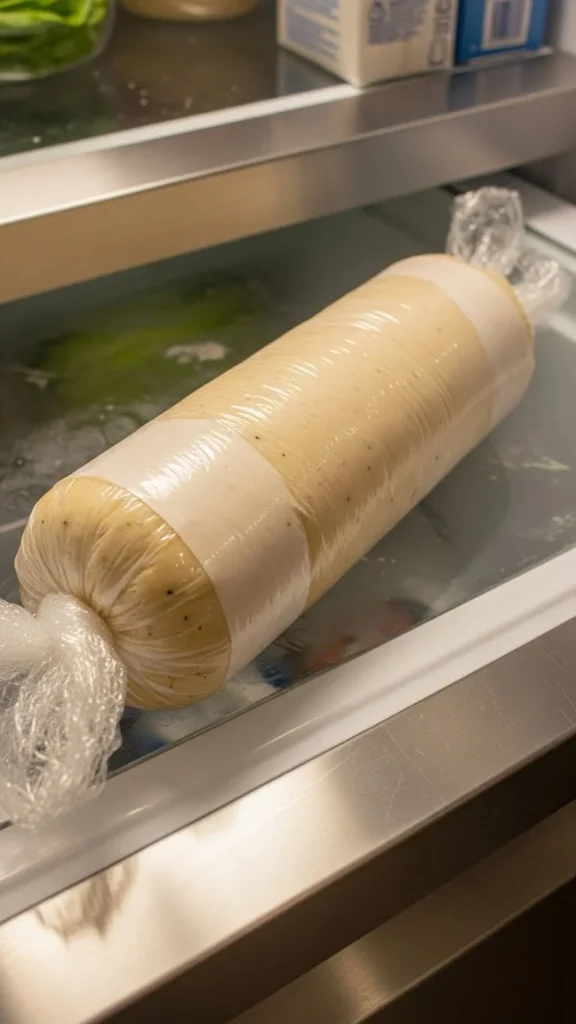
Wrap the dough and chill for at least 1 hour, or up to 24 hours for best results.
Rolling and Cutting Like a Pro
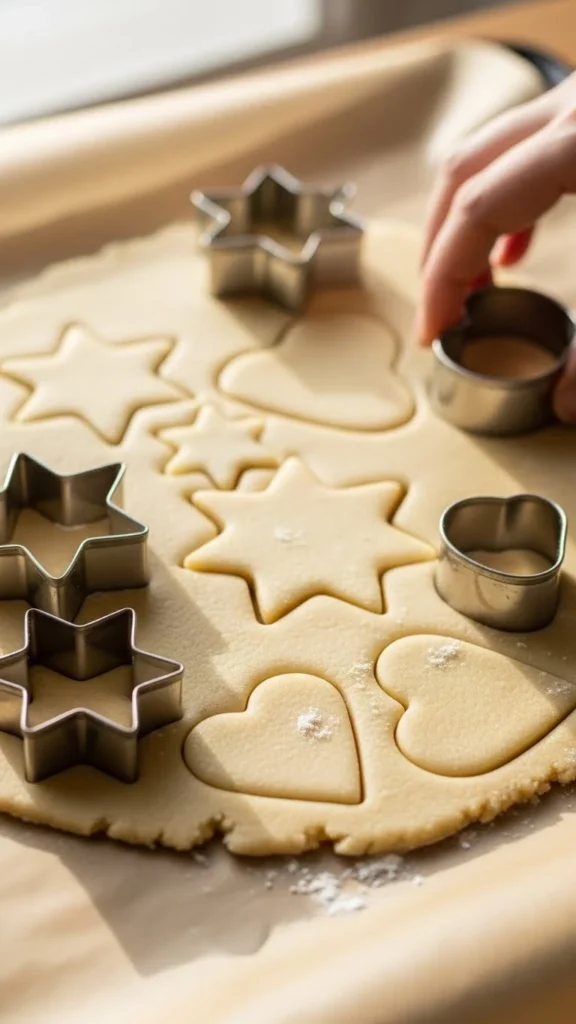
Once chilled, let the dough sit at room temperature for 5–10 minutes so it doesn’t crack.
Best practices:
- Roll dough between parchment paper
- Aim for ¼-inch thickness
- Dip cutters in flour to prevent sticking
Cut shapes close together to minimize re-rolling. Each re-roll warms the dough and increases spread.
Bake Smart for Sharp Edges
Preheat your oven to 350°F (175°C) and line baking sheets with parchment.
Baking tips:
- Chill cut cookies on the tray for 10 minutes before baking
- Bake one tray at a time for even heat
- Watch for set edges, not color
Sugar cookies should look pale on top with just a hint of golden color underneath.
Cooling and Decorating Without Warping
Let cookies cool on the tray for 5 minutes, then transfer to a rack.
Cooling fully before decorating is crucial—warm cookies can bend or crack under icing weight.

Troubleshooting Common Problems
If cookies still spread:
- Add 1–2 tablespoons more flour
- Chill longer before baking
- Lower oven temperature slightly
If cookies puff:
- Reduce egg slightly
- Avoid over-creaming
Small adjustments make a big difference.
Final Takeaway
Sugar cookies that hold their shape aren’t about stiff dough or sacrificing flavor—they’re about gentle mixing, proper chilling, and smart baking. Once you lock in this method, you’ll get clean edges, beautiful shapes, and cookies that decorate like a dream.
Save this recipe for your next holiday bake, cookie exchange, or decorating day—and enjoy stress-free sugar cookies every time 🍪✨