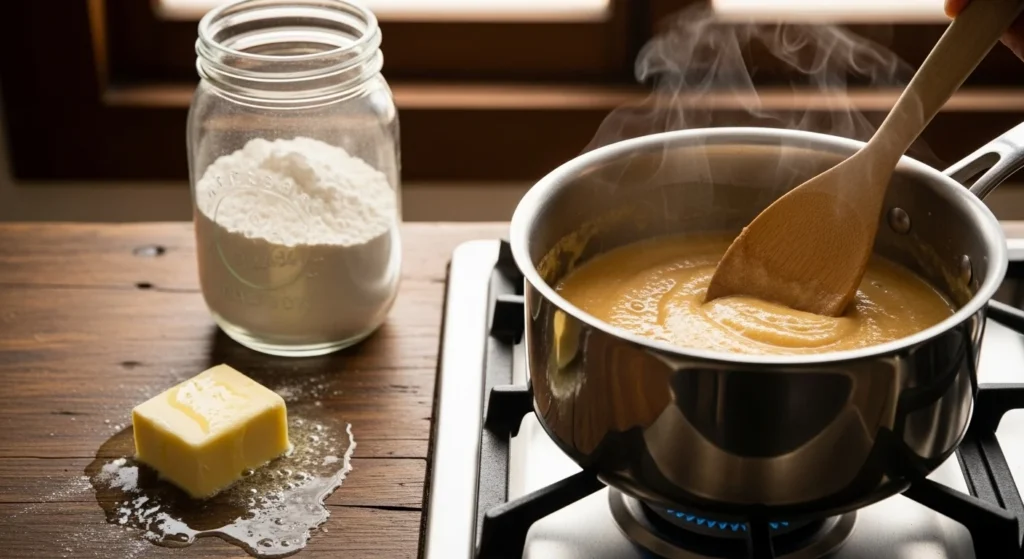
If you’ve ever wondered how chefs create those velvety, creamy sauces that cling perfectly to pasta or make soups rich and luscious — the secret is a roux. This humble French technique is the foundation for countless comfort foods: mac and cheese, gravy, chowders, and more.
A roux might sound fancy, but it’s simply a blend of fat and flour cooked together to thicken sauces. Once you master it, you’ll unlock a whole new world of creamy, flavorful dishes. Ready to stir up some magic? Let’s dive in.
What Exactly Is a Roux?
A roux (pronounced “roo”) is a cooked mixture of equal parts fat and flour, used to thicken liquids. When heated together, the flour loses its raw taste, and the fat helps create a smooth, lump-free base.
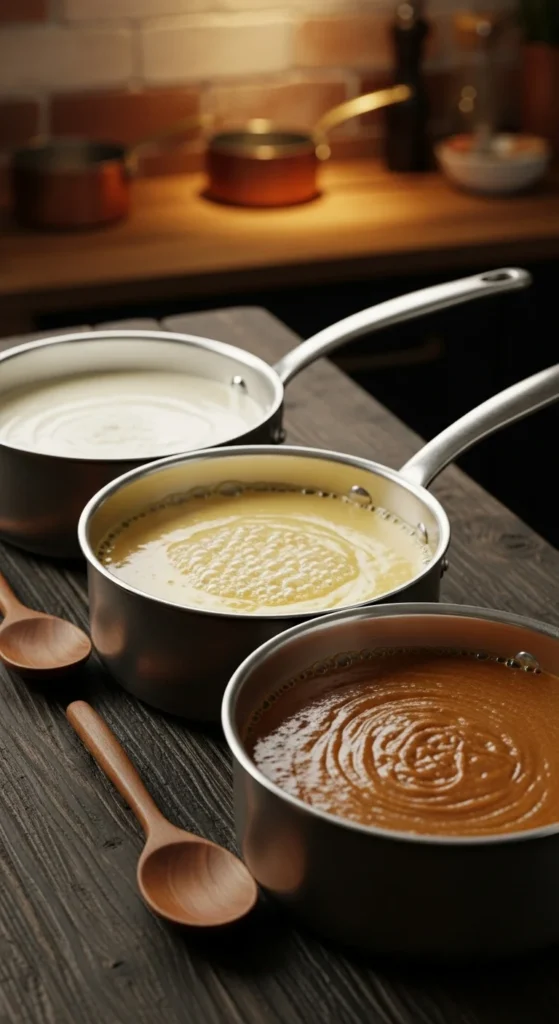
There are three main types of roux, each with its own unique color and flavor:
- White roux: light and mild — used in béchamel or cream sauces.
- Blond roux: slightly golden and nutty — perfect for gravies or velouté sauces.
- Brown roux: deep and rich — ideal for gumbos and Cajun-style dishes.
The longer you cook it, the darker and more flavorful it becomes.
Step 1: Gather the Basics
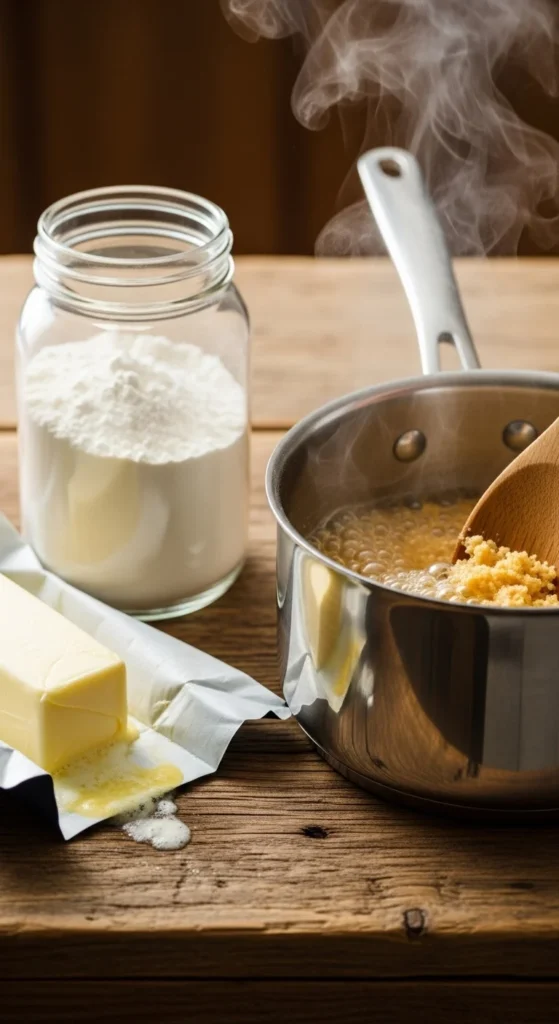
You’ll only need two ingredients to start — simplicity at its finest:
- Butter or oil (about 2 tablespoons)
- All-purpose flour (about 2 tablespoons)
That’s it! If you want a richer flavor, go with butter. For higher heat or savory recipes, vegetable oil, bacon fat, or even ghee works beautifully.
Equipment you’ll need:
- A medium saucepan or skillet
- A whisk or wooden spoon for stirring
- Measuring spoons and cups
Step 2: Melt the Fat
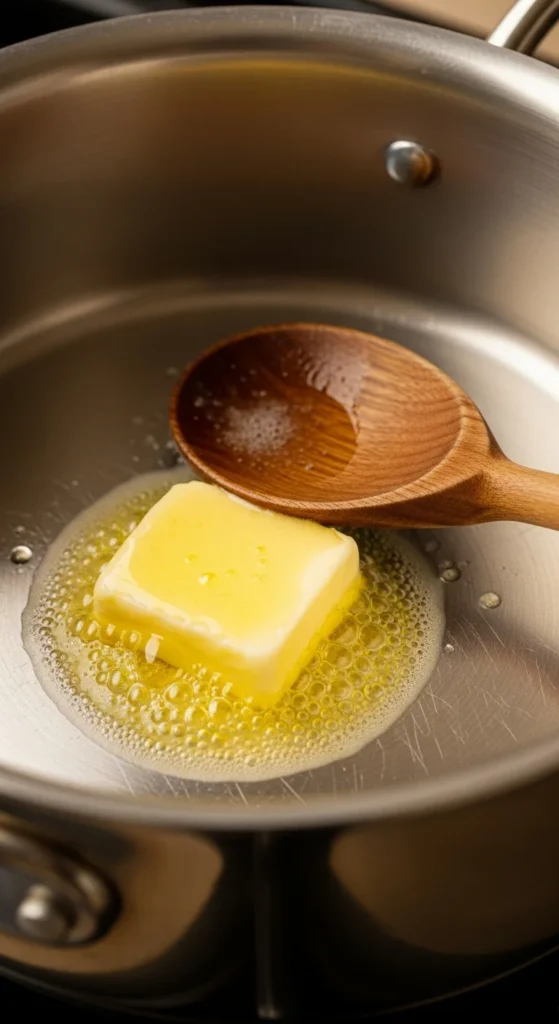
Place your saucepan over medium heat and add the butter (or chosen fat). Let it melt completely but don’t let it brown — unless you’re aiming for a darker roux.
Once melted, it should bubble gently, signaling it’s ready for the next step.
Step 3: Add the Flour and Stir
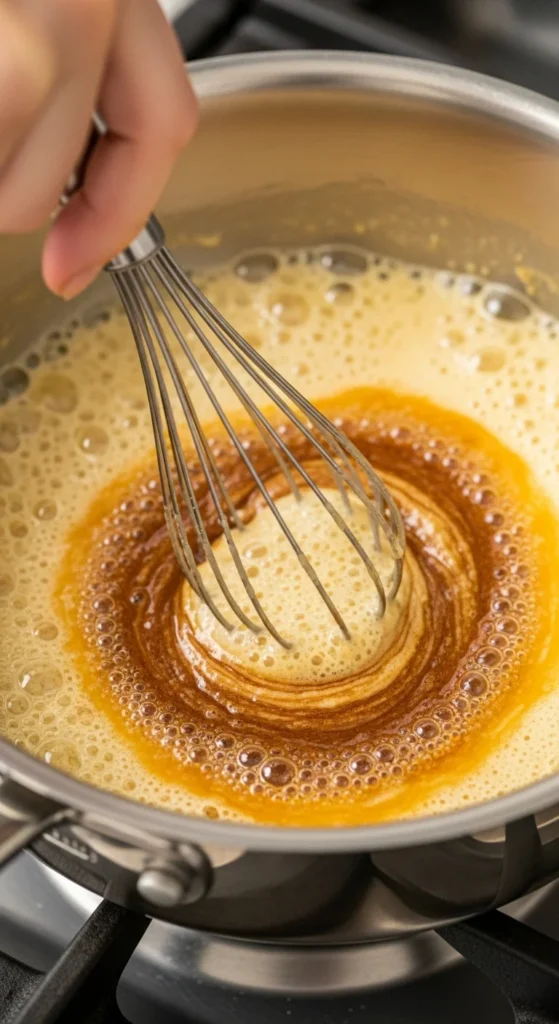
Sprinkle in your flour gradually while whisking continuously. The mixture will form a thick paste almost immediately — that’s your roux coming to life!
Keep stirring steadily so it doesn’t stick or clump. After about a minute, it will start to smooth out. The aroma will shift from raw flour to warm and toasty.
Cooking Time Guide:
- White Roux: 2–3 minutes — pale and delicate
- Blond Roux: 4–5 minutes — golden with a light nutty scent
- Brown Roux: 7–10 minutes — caramel-colored and richly aromatic
Remember: the darker the roux, the less it thickens, but the deeper the flavor.
Step 4: Add Liquid to Create Your Sauce
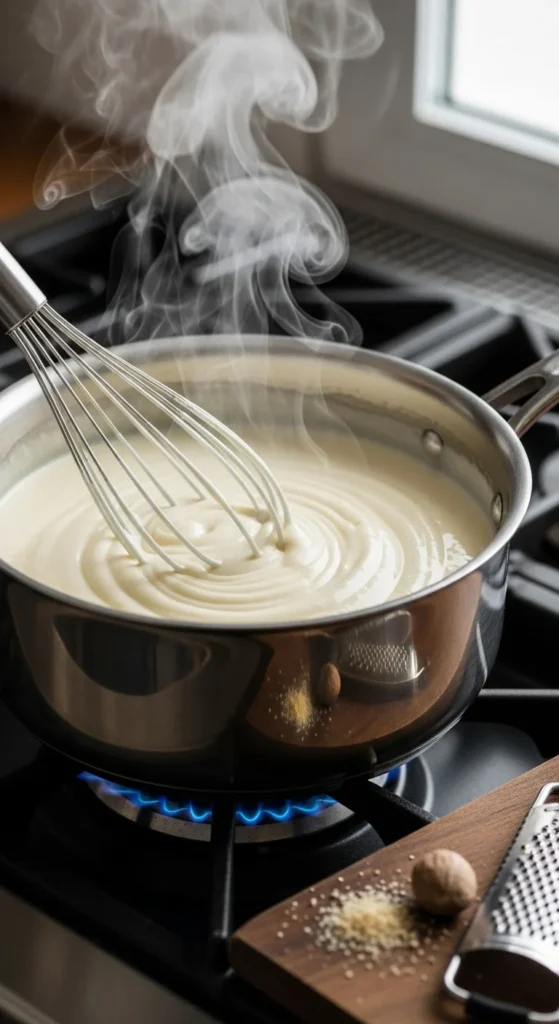
Once your roux reaches the desired color, it’s time to transform it into a creamy sauce base. Slowly pour in your warm liquid — this could be milk, broth, or cream — while whisking constantly.
Common Ratios:
- 2 tbsp roux thickens about 1 cup of liquid for a medium sauce.
- Add more liquid for thinner sauces, less for thicker ones.
Keep whisking until smooth and glossy. As it simmers, it will thicken beautifully within a few minutes.
Try these ideas:
- Add milk for a classic béchamel (the base for mac and cheese).
- Use chicken broth for creamy gravy or velouté.
- Blend with seafood stock for bisques or chowders.
Step 5: Season and Customize
Now that you’ve mastered the technique, make it your own! Season your sauce with salt, pepper, garlic, herbs, or even cheese.
Here are a few delicious variations:
- Cheese Sauce: Stir in shredded cheddar for homemade mac and cheese.
- Mushroom Sauce: Add sautéed mushrooms and thyme for steak or chicken.
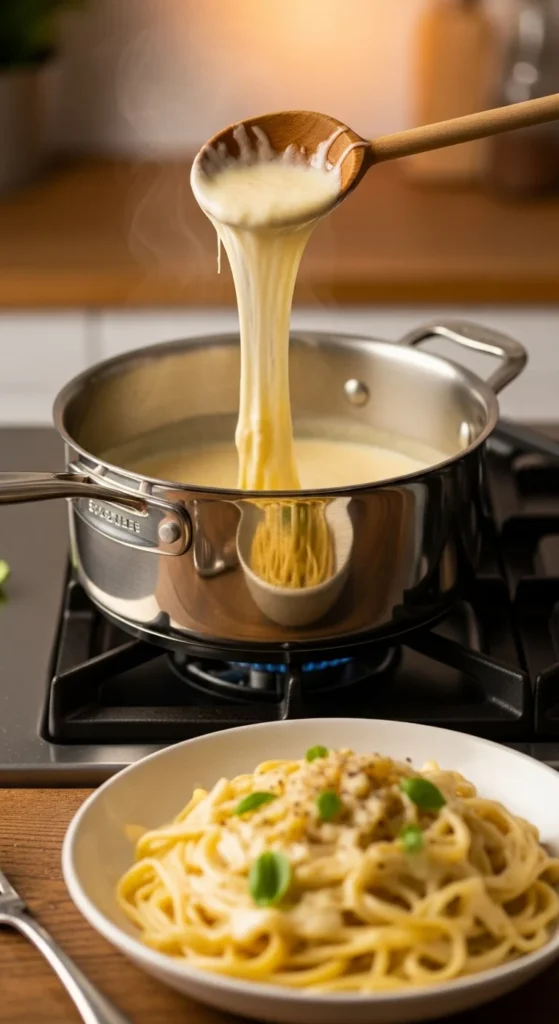
- Garlic Cream Sauce: Mix in minced garlic and Parmesan for pasta.
Pro Tip: Always taste as you go — roux-based sauces can easily take on your added flavors, so a little goes a long way.
Troubleshooting: Common Roux Mistakes
Even simple recipes can have pitfalls — here’s how to fix them:
- Lumpy sauce: Add a splash of warm liquid and whisk vigorously until smooth.
- Burnt roux: If it smells bitter, start over — burned flour can’t be saved.
- Too thick: Whisk in extra warm liquid slowly until it loosens.
- Too thin: Simmer a bit longer or add more roux next time.
Roux is forgiving once you know the texture you’re aiming for — smooth, glossy, and slightly elastic.
The Takeaway
Making a roux might sound like a chef’s secret, but in reality, it’s one of the simplest, most powerful kitchen skills you can learn. With just two ingredients and a few minutes, you can turn any sauce into something restaurant-worthy.
So next time you crave creamy mac and cheese, silky gravy, or rich soup — skip the jarred stuff and make your own magic from scratch.