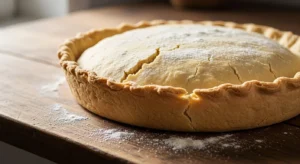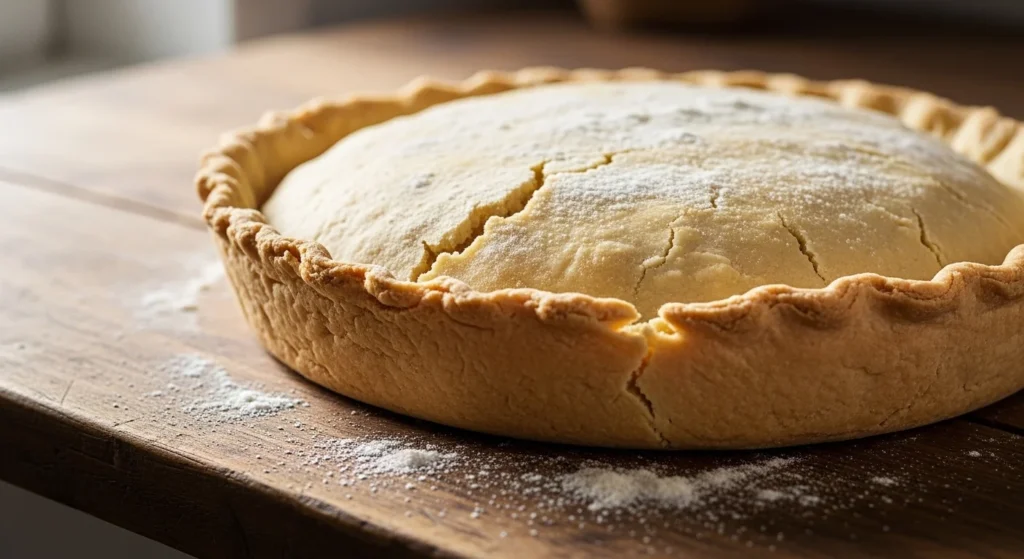
There’s something magical about slicing into a pie and hearing that gentle crackle of a flaky crust. The layers shatter just slightly, the edges are golden and crisp, and the bottom? Not soggy. Not tough. Just perfect.
The truth is, great pie crust isn’t about luck. It’s about cold ingredients, light hands, and a few smart tricks that make all the difference.
Let’s walk through how to make the perfect pie crust — step by step — with simple, foolproof tips.
Start With the Right Ingredients (Cold Is Everything)
Flakiness starts with temperature control.
Basic 9-Inch Double Crust Recipe
- 2 ½ cups all-purpose flour
- 1 cup cold unsalted butter (or ½ cup butter + ½ cup shortening)
- 1 teaspoon salt
- 1 tablespoon vinegar (optional but recommended)
- 6–8 tablespoons ice water
Why the butter-shortening combo?
- Butter = rich flavor
- Shortening = superior flake and structure
You can go all-butter if you prefer, but the hybrid offers reliability.
Keep everything cold:
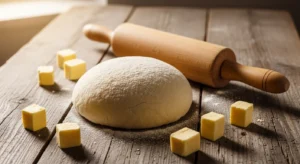
- Dice butter and freeze for 10 minutes
- Use ice water
- Even chill your mixing bowl if your kitchen is warm
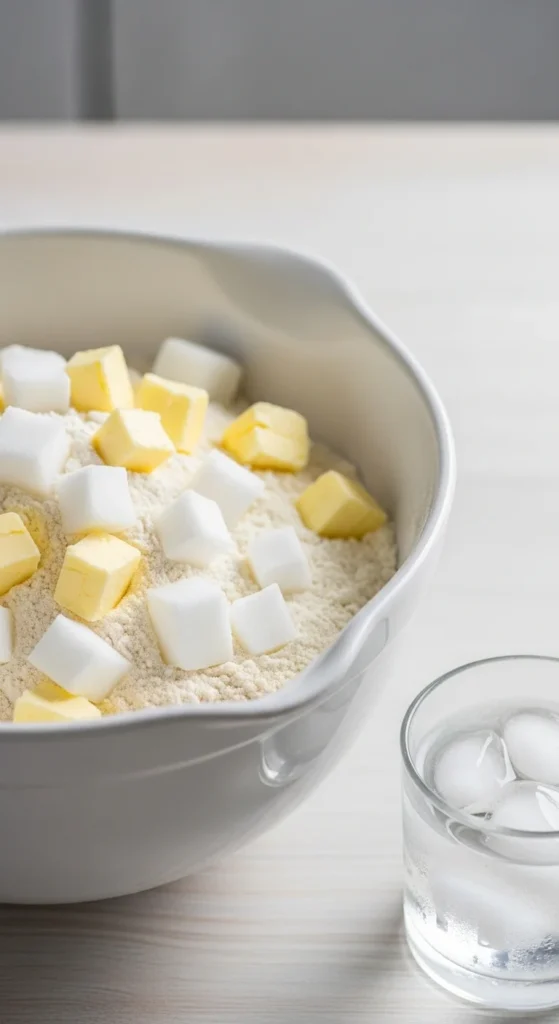
Cut the Fat to “Pea-Sized” Pieces
This is where flaky layers are born.
You can use:
- A pastry blender
- Two forks
- A food processor (8–10 quick pulses only)
Pulse just until the mixture looks like coarse crumbs with visible pea-sized butter bits.
Those small chunks of fat melt in the oven and release steam — that steam creates layers.
Avoid overprocessing. Once it looks sandy with small chunks, stop.
Add Liquid Carefully (Use the Pinch Test)
Now comes hydration — and restraint.
Mix 1 tablespoon vinegar into your ice water. The vinegar helps tenderize the dough without encouraging gluten development.
Add water gradually:
- 1 tablespoon at a time
- Toss gently with a fork
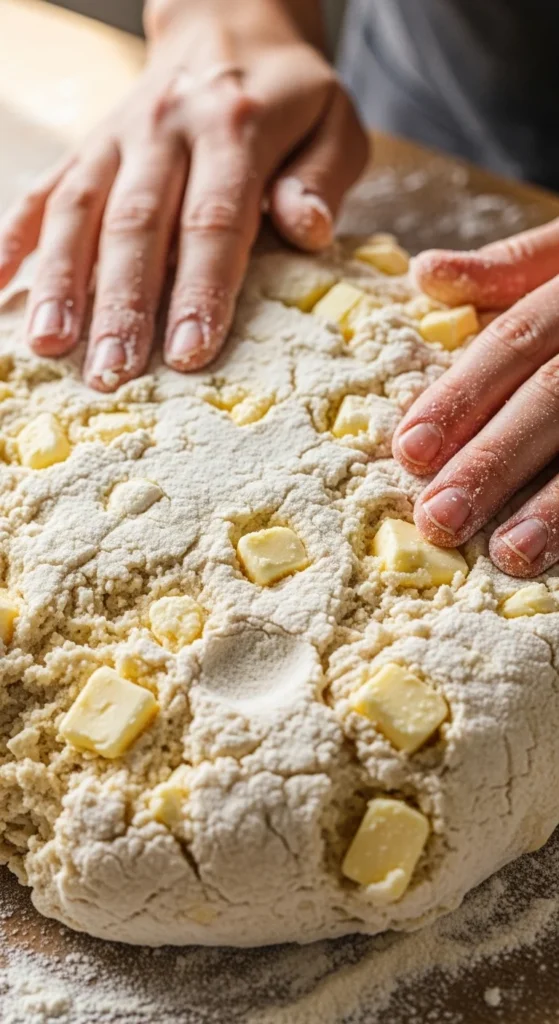
Stop when the dough looks shaggy but holds together when squeezed.
This is called the pinch test:
If you squeeze a small handful and it holds without crumbling, you’re done.
Do not knead. Do not smooth it out. Shaggy is good.
Form Discs and Chill (Don’t Skip This)
Divide dough into two portions.
Flatten each into a disk — not a ball. Disks roll more evenly and prevent cracking.
Wrap tightly in plastic wrap and refrigerate for at least 1 hour (2 hours is even better).
Why chilling matters:
- Firms up fat
- Relaxes gluten
- Prevents shrinking
- Makes rolling easier
This step is essential for a flaky, tender crust.
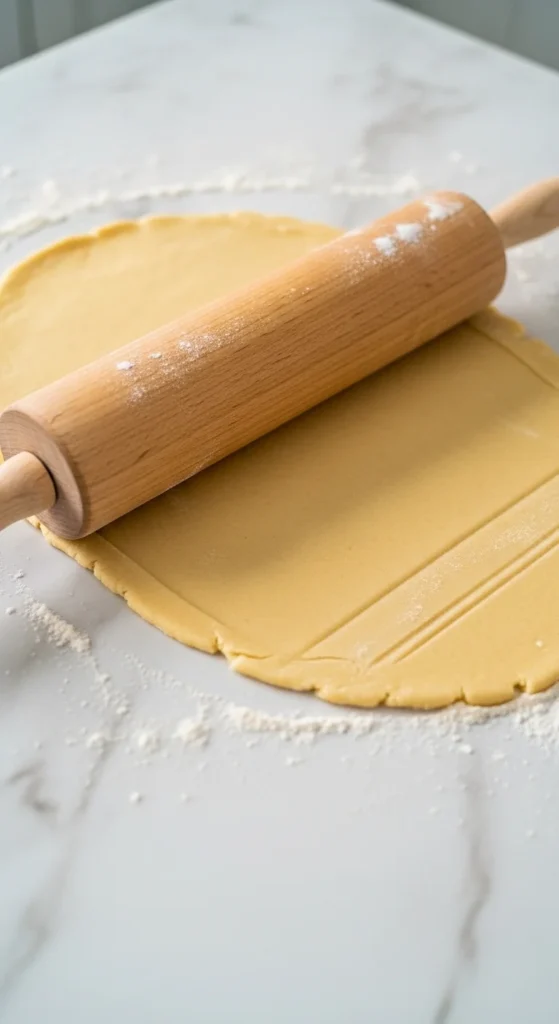
Roll Evenly to 1/8 Inch Thickness
After chilling, let the dough sit for about 5 minutes if it feels too stiff.
Lightly flour your surface — but not too much. Excess flour can dry out the dough.
Roll from the center outward, rotating frequently.
Aim for:
- About 1/8 inch thick
- Even thickness all around
- 2 inches larger than your pie dish
Transfer gently into your pie plate.
Do not stretch it — stretching causes shrinking during baking.
Trim, Fold, and Crimp for a Tight Seal
Leave about a 1-inch overhang.
Fold the excess dough under itself to create a thicker edge, then crimp:
- Classic finger fluting
- Fork-pressed rustic edge
- Decorative braid
Crimping isn’t just pretty — it seals the filling and prevents leaks.
If using a top crust:
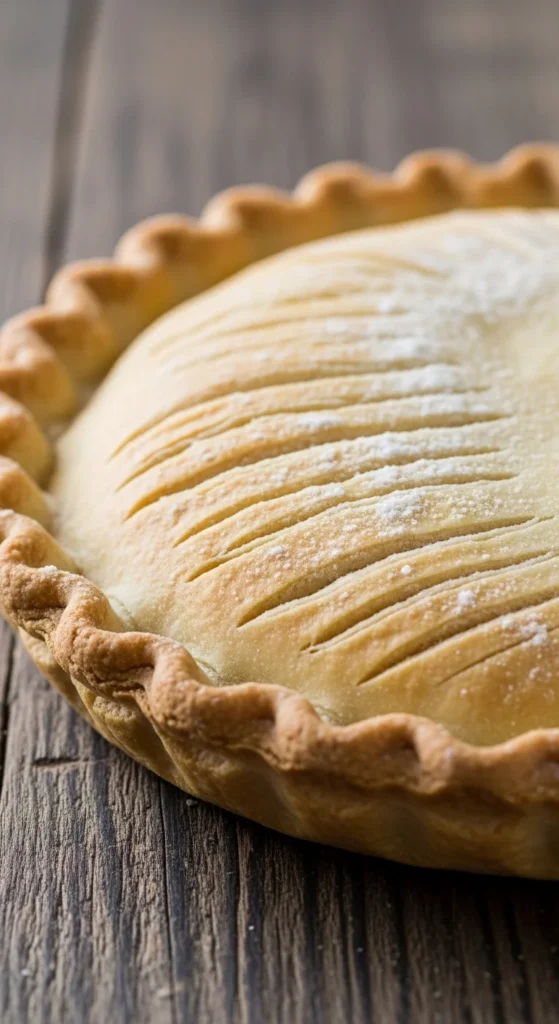
- Cut 4–6 slits for steam vents
- Or create a lattice for both beauty and ventilation
Prevent a Soggy Bottom (The Blind Bake Trick)
Wet fillings can cause soggy crust.
If your pie filling is very juicy, blind baking helps.
How to Blind Bake
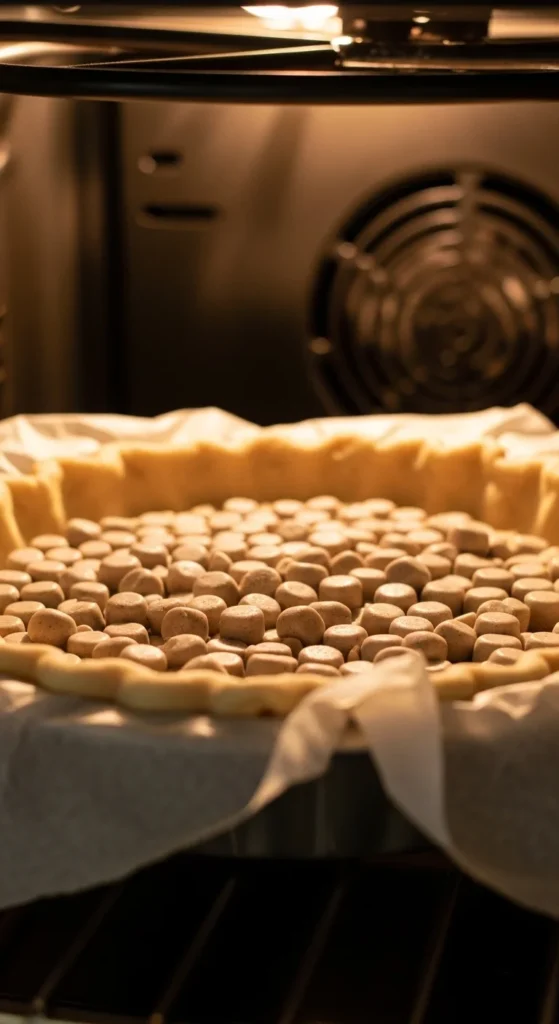
- Line crust with parchment paper.
- Fill with pie weights or dried beans.
- Bake at 425°F for 15 minutes.
- Remove weights and bake 5–7 more minutes.
Dock (prick with a fork) before baking to prevent bubbles.
Get That Beautiful Golden Finish
Before baking, brush with an egg wash:
- 1 egg yolk + 1 tablespoon milk
For extra sparkle:
- Sprinkle coarse sugar on top
Start baking at 425°F for 15 minutes, then reduce to 350°F and continue until golden brown.
If edges brown too quickly, use a foil pie shield halfway through baking.
Common Pie Crust Mistakes (And Easy Fixes)
Tough Crust
- Overworked dough
- Too much water
- Warm butter
Shrinking Crust
- Skipped chilling
- Stretched dough into pan
Cracks or Tears
- Dough too dry
- Not enough chill time
If cracks happen while rolling, patch gently with scraps and press lightly.
Make-Ahead and Freezing Tips
Pie crust freezes beautifully.
- Wrap discs tightly
- Freeze up to 3 months
- Thaw overnight in the fridge
You can even freeze pre-shaped crusts in pie pans for future baking.
Final Takeaway
The perfect pie crust isn’t complicated — it’s controlled.
Remember these simple tips:
- ✔ Keep ingredients ice cold
- ✔ Cut fat to pea-sized pieces
- ✔ Use the pinch test for hydration
- ✔ Chill before rolling
- ✔ Don’t overwork
Follow these steps, and you’ll get a flaky, tender, golden crust every single time.
Save this guide for later — because once you master pie crust, every pie you bake will feel like a small victory. 🥧✨