If your dream cookie has golden edges, a gooey center, and that irresistible bakery-style chew — you’re in the right place. Soft chewy cookies aren’t about luck. They’re about moisture, fat balance, and one very important secret: slight underbaking.
The best part? Once you understand a few key techniques (like brown sugar ratios, melted butter magic, and dough chilling), you can nail soft cookies every single time.
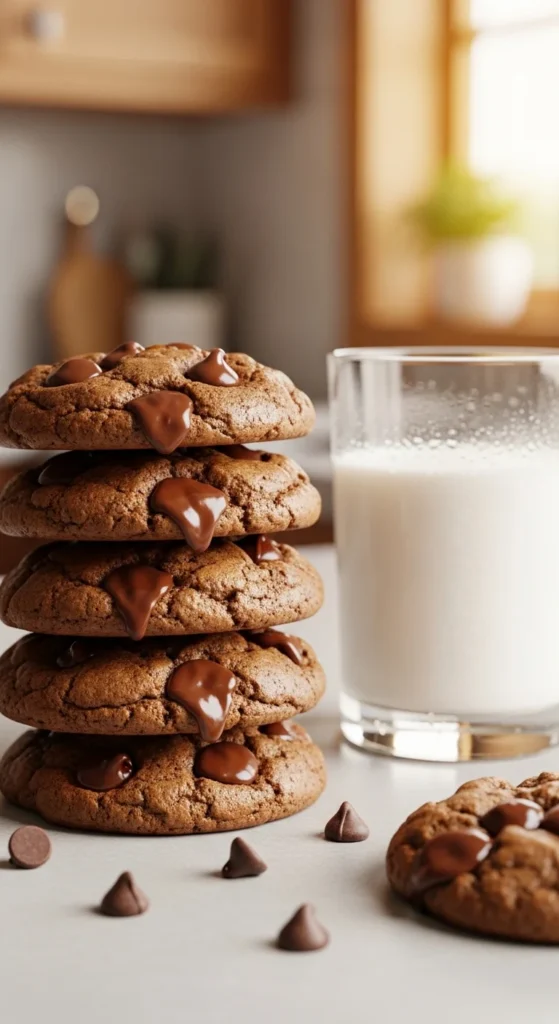
Let’s break down exactly how to make it happen.
Build the Perfect Soft Cookie Foundation
Soft cookies start with the right ingredient strategy. The goal is simple: maximize moisture and tenderness while preventing crispiness.
Your soft-cookie power ingredients
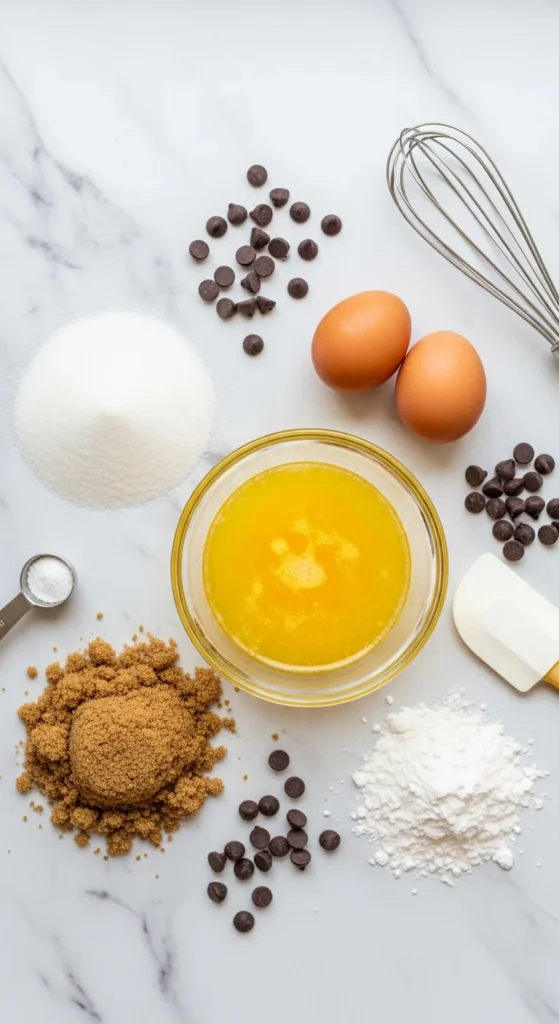
- Brown sugar (dominant) – moisture retention hero
- Melted butter – boosts hydration and chew
- Extra egg yolk – adds fat richness
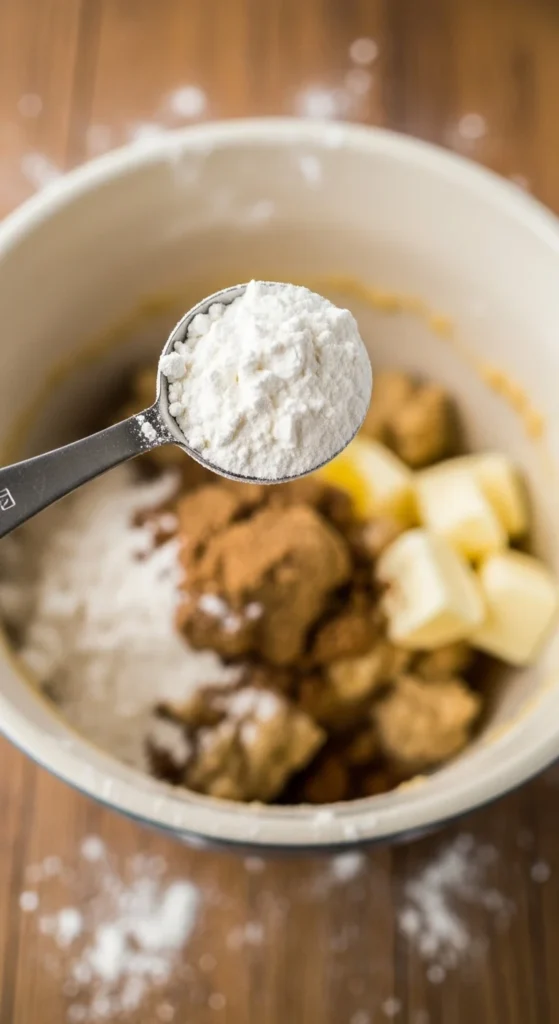
- Cornstarch (1–2 tsp) – tender crumb secret
- Vanilla bean paste – deep bakery flavor
- Optional: 1 tbsp corn syrup or glucose – ultra-soft longevity
👉 The winning sugar ratio for chew: about 2:1 brown sugar to white sugar.
Why this works: Brown sugar is hygroscopic — it pulls in and holds moisture, keeping cookies soft longer.
Step 1: Use Melted Butter for Maximum Chew
Unlike cakey cookies that rely on creamed butter, soft chewy cookies benefit from melted butter.
What melted butter does
- Increases hydration
- Creates dense chew
- Boosts rich flavor
- Reduces cakiness
How to do it right:
- Melt butter gently (not hot).
- Let it cool slightly until warm, not steaming.
- Mix with sugars until glossy and thick.
⚠️ If butter is too hot, it can scramble eggs and cause greasy cookies.
Step 2: Add the Extra Egg Yolk (Don’t Skip!)
This small upgrade makes a big difference.
Use:
- 1 whole egg
- 1 extra egg yolk
Why the extra yolk matters
- Adds fat for chewiness
- Improvs emulsification
- Creates richer color
- Prevents dryness
👉 Pro tip: Use room-temperature eggs for the smoothest dough.
Mix just until combined — overmixing builds too much gluten.
Step 3: The Cornstarch Trick for Tender Cookies
If you’ve ever wondered how bakery cookies stay soft for days — this is one of the secrets.
Add: 1–2 teaspoons cornstarch
What cornstarch does
- Softens the crumb
- Reduces crispiness
- Mimics bakery texture
- Helps prevent over-structure
Quick swap rule:
1 teaspoon cornstarch ≈ softening effect of removing about 2 tablespoons flour.
Step 4: Chill the Dough for Thick, Chewy Results
If your cookies spread too thin, chilling is non-negotiable.
Chill time guide
- Minimum: 24 hours
- Better: 48 hours
- Best flavor: up to 72 hours
What chilling improves
- Flavor depth
- Dough hydration
- Spread control
- Bakery-style thickness
Even if you’re short on time, aim for at least a few hours in the fridge.
Step 5: Shape Tall, Lumpy Dough Balls
Here’s a bakery trick most home bakers miss.
Instead of smooth balls, form tall, slightly lumpy mounds.
Use:
- 2-tablespoon scoop
- Stack dough slightly higher than round
- Leave 3 inches between cookies
Why this works
- Promotes thicker centers
- Slows spreading
- Creates bakery-style height
- Encourages chewy interiors
✨ Optional trend technique: Lightly pan-bang once mid-bake for crinkled edges.
Step 6: Bake Just Until the Edges Set
This is where most soft cookies go wrong — they’re overbaked.
Perfect soft-cookie settings
- Oven: 350–375°F (175–190°C)
- Time: 8–12 minutes
- Rack: Middle position
Visual doneness cues
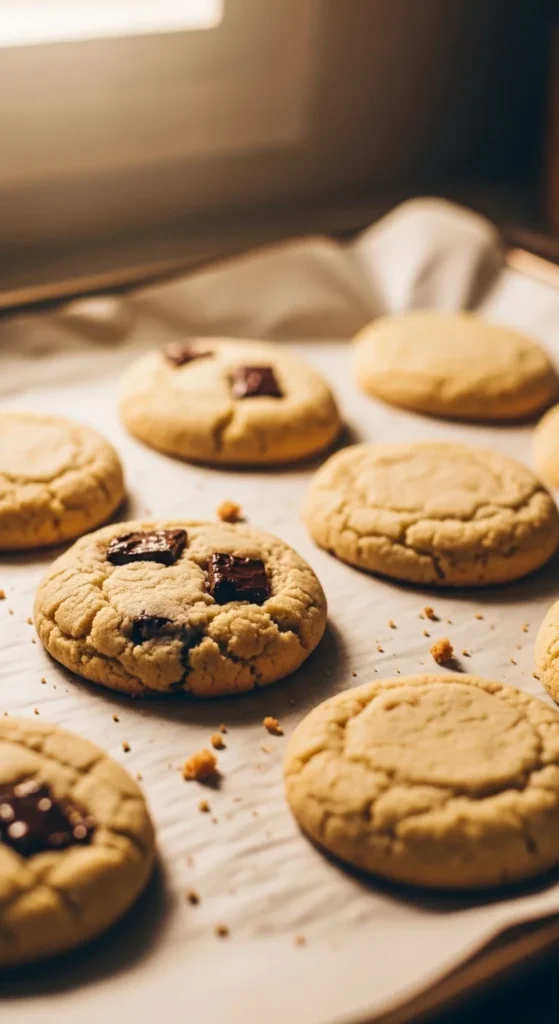
✅ Edges: lightly golden
✅ Centers: pale and soft
✅ Tops: just set
❌ If the centers look fully baked in the oven, they will be too firm after cooling.
Remember: Cookies continue baking on the hot pan.
Step 7: Finish With Flaky Sea Salt
Want that bakery wow-factor? Add a light sprinkle of flaky sea salt right after baking.
Why it matters
- Balances sweetness
- Enhances chocolate flavor
- Adds gourmet contrast
- Makes flavors pop
Use a gentle pinch — you want contrast, not saltiness.
Troubleshooting Soft Cookie Problems
Cookies turned crispy
Causes:
- Too much white sugar
- No cornstarch
- Overbaked
- Too little brown sugar
Fix: Increase brown sugar + pull cookies earlier.
Cookies spread flat
Causes:
- Dough not chilled
- Butter too warm
- Dough balls too small
Fix: Chill longer + shape taller mounds.
Cookies taste cakey
Causes:
- Too much flour
- Overmixed dough
- Not enough fat
Fix: Use melted butter + add extra yolk.
Final Thoughts: Soft Cookie Success Is All About Moisture
Perfect soft chewy cookies come down to moisture management and smart technique. When you combine brown sugar dominance, melted butter, extra yolk richness, and proper underbaking, you get that dreamy bakery texture every time.
Once you try this method, it’s hard to go back to basic cookies.
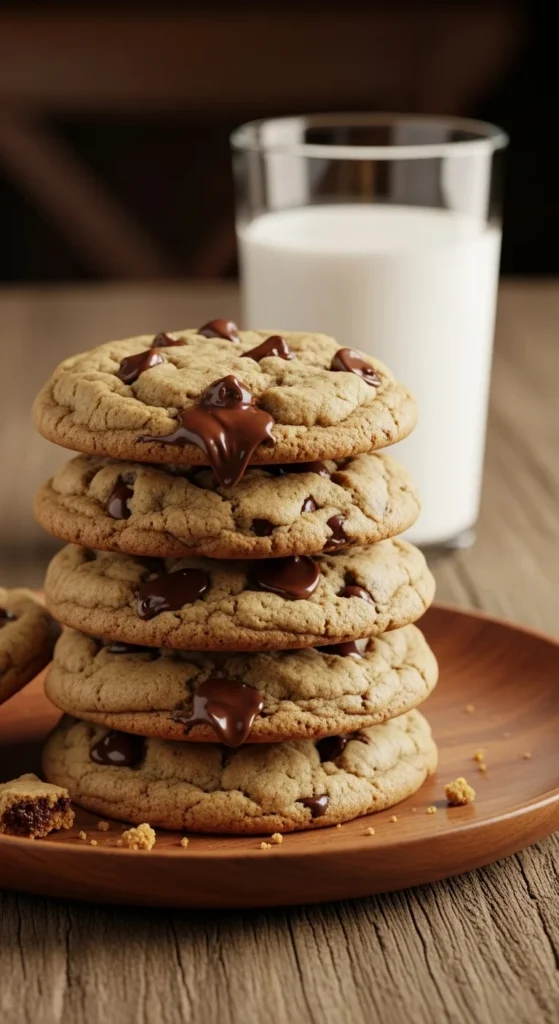
✨ Save this recipe for later, and the next time a cookie craving hits, you’ll know exactly how to bake soft chewy cookies every single time.