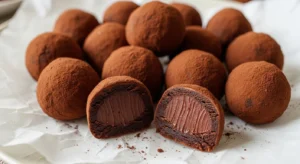
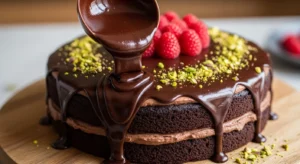
A great dessert starts with a great crust. Whether you’re baking a classic apple pie, silky chocolate tart, or fresh fruit tart, the sweet pie crust is what holds everything together — literally and flavor-wise.
The perfect sweet crust should be buttery, flaky, slightly sweet, and tender enough to cut easily with a fork. When done right, it adds a delicate cookie-like crunch that complements the filling instead of overpowering it.
The good news? You don’t need to be a pastry chef to make one. With a few simple ingredients and a few professional tricks, you can create a bakery-style crust at home.
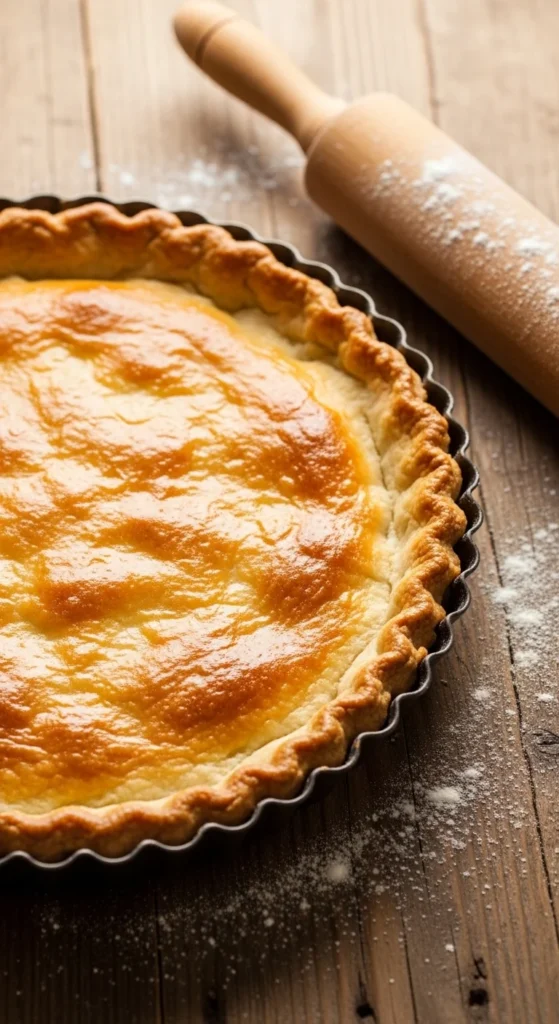
The Basic Ingredients for a Sweet Pie Crust
A traditional sweet pie crust uses a simple ratio of flour, fat, and liquid. Many professional bakers follow a version of the 3-2-1 pastry ratio.
Basic ingredient list
- 2½ cups all-purpose flour
- ½ cup cold unsalted butter
- 2–3 tablespoons powdered sugar
- ¼–½ cup ice water
- ½ teaspoon salt
Optional additions:
- 1 egg yolk for richer pâté sucrée-style crust
- 1 tablespoon vodka for extra flaky layers
Why powdered sugar works best
Powdered sugar dissolves faster than granulated sugar, which helps create:
- A tender crumb
- A subtle sweetness
- A smoother dough texture

Keep Your Butter Cold for Flaky Layers
Temperature matters more than anything when making pie crust.
Cold butter creates the signature flaky layers because the butter melts during baking and releases steam. That steam separates the dough layers and creates a light texture.
How to prepare the butter
- Chill butter for at least 1 hour
- Cut into ½-inch cubes
- Keep butter cold until mixing
The goal: pea-sized pieces
When you mix butter into flour, you want pieces that look like:
- Small peas
- Rough crumbs
These pieces will melt in the oven and create beautiful flaky layers.
Step-by-Step Sweet Pie Crust Dough
Now let’s bring everything together.
Step 1: Mix dry ingredients
In a large bowl combine:
- Flour
- Powdered sugar
- Salt
Stir well so everything is evenly distributed.
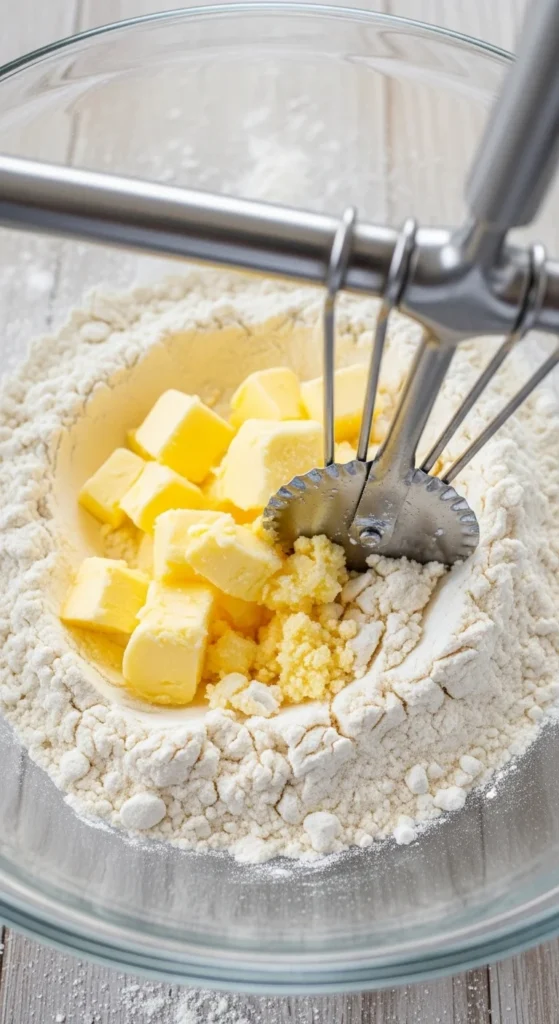
Step 2: Cut in the butter
Add the cold butter cubes.
Use:
- A pastry cutter
- Two forks
- Or your fingertips
Mix until the butter pieces resemble pea-sized bits.
Step 3: Add liquid gradually
Slowly add ice water one tablespoon at a time.
Mix gently until the dough just comes together.
Important rule:
Do not overwork the dough.
Overmixing develops gluten, which can make crust tough instead of tender.
The Secret Rest Time
After mixing, shape the dough into a flat disk and wrap it in plastic wrap.
Then let it rest in the refrigerator.
Chill time recommendations
- Minimum: 1 hour
- Best flavor: overnight
Why resting matters:
- Gluten relaxes
- Dough becomes easier to roll
- Butter re-firms for flakier crust
Many professional bakers consider this step non-negotiable.
Rolling the Dough Without Cracking
Rolling pie dough can be frustrating if it sticks or cracks.
A simple trick makes it much easier.
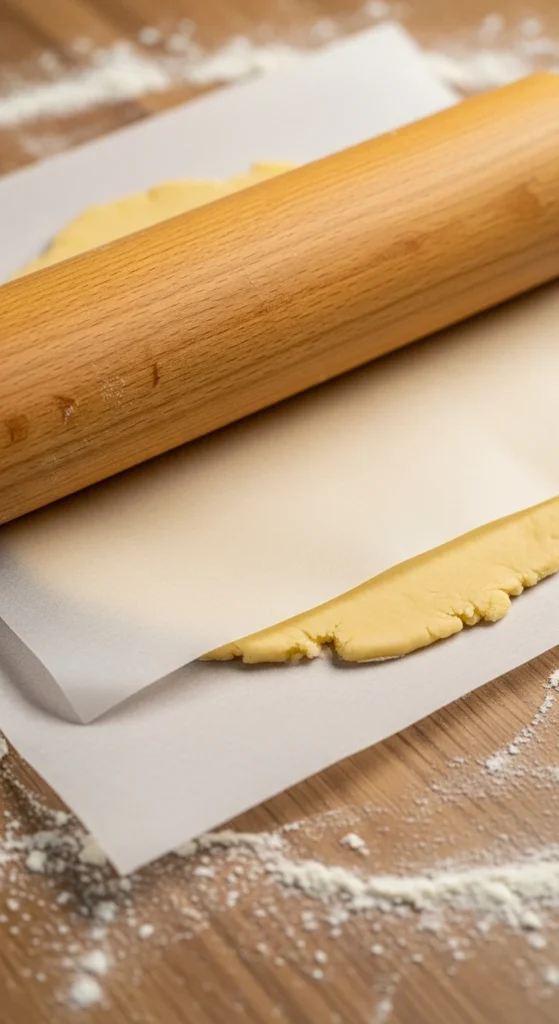
Roll between parchment paper
Place the dough between two sheets of parchment and roll it to about:
1/8-inch thickness
Benefits:
- Prevents sticking
- Requires less flour
- Keeps dough evenly thick
Then gently transfer the dough into a pie pan or tart pan.
Blind Baking for Perfect Crust
If your pie filling is soft or creamy (like custard or fruit tarts), you’ll want to blind bake the crust first.
Blind baking means partially baking the crust before adding filling.
How to blind bake
- Place dough in the pie pan
- Dock the base with a fork (poke small holes)
- Line with parchment paper
- Add pie weights or dried beans
Bake at:
400–425°F for 15–20 minutes
This prevents the crust from:
- Shrinking
- Puffing
- Becoming soggy
Pro tip
Brush the crust lightly with egg white after blind baking to seal it from moist fillings.
French Variation: Pâté Sucrée
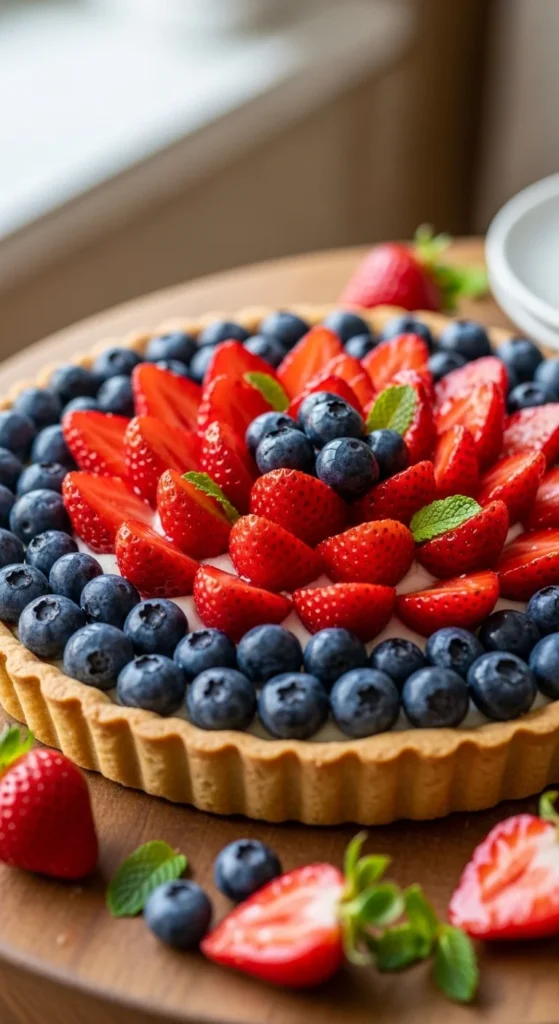
For fruit tarts and elegant desserts, many pastry chefs use pâté sucrée, a richer sweet pastry dough.
Key difference:
- Includes egg yolk
Benefits
- More tender texture
- Slightly cookie-like crust
- Perfect for delicate fruit tarts
Bake pâté sucrée slightly cooler at around 400°F to prevent the sugar from burning.
Common Pie Crust Problems (and Fixes)
Even experienced bakers sometimes struggle with pie crust. Here are quick solutions.
Tough crust
Cause: Overworking dough
Fix:
- Mix less
- Use ice water
- Rest dough longer
Shrinking crust
Cause: Dough too warm or not rested
Fix:
- Chill dough longer
- Use pie weights during baking
Soggy bottom
Cause: Filling moisture
Fix:
- Blind bake first
- Brush with egg wash
Cracking dough
Cause: Dough too cold
Fix:
- Let dough rest 5 minutes at room temperature before rolling
Final Thoughts
Making a sweet pie crust from scratch may seem intimidating at first, but it’s actually one of the most rewarding baking skills to learn.
Just remember the key principles:
- Use cold butter
- Mix until pea-sized bits form
- Add ice water gradually
- Chill the dough before rolling
- Blind bake for delicate fillings
Once you master this technique, you’ll be able to make pies, fruit tarts, chocolate tarts, and dessert bars with a perfectly buttery crust every time.
So grab your rolling pin and try it yourself.
And if you found this guide helpful, save it for your next baking day or share it with a fellow dessert lover! 🥧