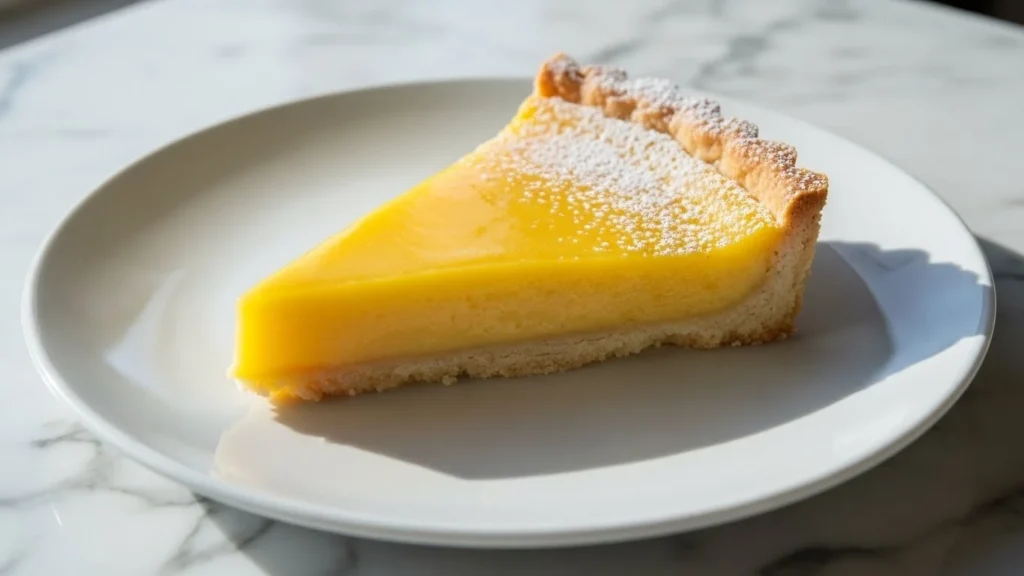
Lemon desserts are unforgettable when they’re done right—bright, fresh, and just tart enough to make your mouth water without making you pucker. The problem? Too much sugar turns lemon dull and flat, while too much acid can overpower everything else. The secret to great lemon desserts lies in balance, and once you understand a few key techniques, you can get it right every single time.
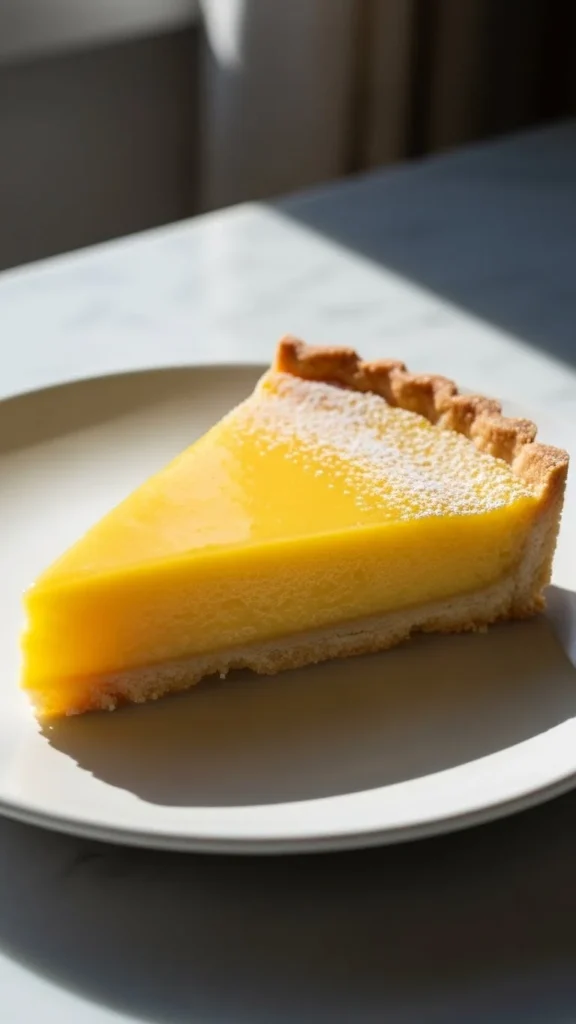
Let’s walk through how to make lemon desserts that hit that perfect sweet-tart harmony.
Start With Fresh Lemons (It Matters More Than You Think)
Bottled lemon juice is convenient, but it rarely delivers the clean, vibrant flavor lemon desserts need.
Why fresh lemons win
- Brighter acidity
- Natural sweetness
- Aromatic oils from the zest
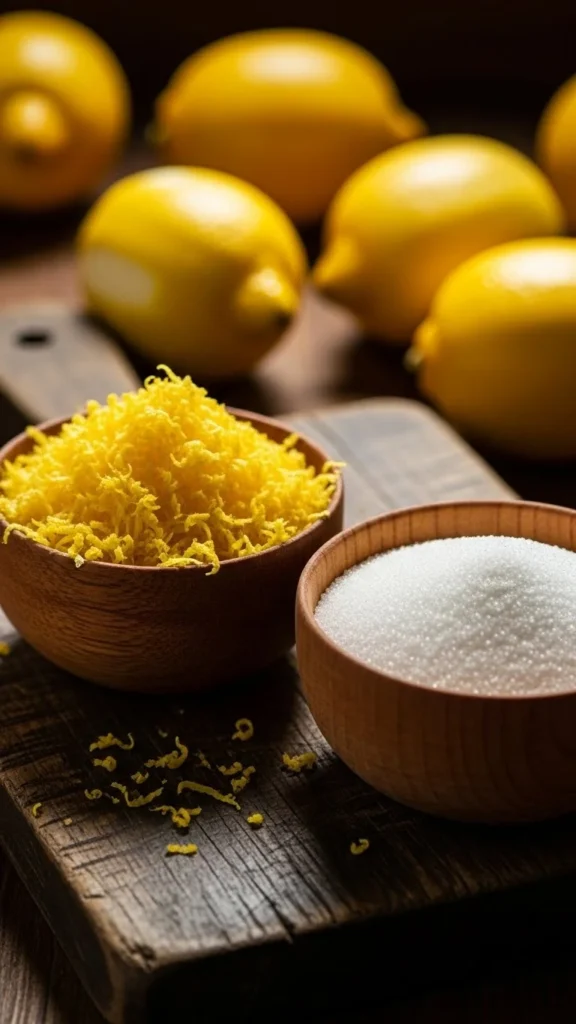
Always use both juice and zest. Juice brings tartness, while zest adds floral citrus notes that soften sharpness.
Pro tip:
Zest your lemons before juicing them—it’s much easier and gives better results.
Balance Sugar, Don’t Overload It
Sugar shouldn’t cancel lemon flavor—it should round it out.
Smart sugar strategies
- Use less sugar, then adjust gradually
- Combine granulated sugar with:
- Honey (adds warmth)
- Powdered sugar (dissolves smoothly)
- Brown sugar (adds depth in bars or cakes)
- Honey (adds warmth)
Taste as you go.
Your goal isn’t “sweet”—it’s bright but smooth.
Add Fat to Smooth the Tartness
Fat is the secret weapon that turns sharp lemon into something luxurious.
Best fats for lemon desserts
- Butter (classic and rich)
- Heavy cream (softens acidity)
- Egg yolks (creamy and binding)
- Cream cheese or mascarpone (for bars and cheesecakes)
These ingredients coat the tongue, mellowing the acid so the lemon tastes refreshing instead of harsh.
Control Acidity With Gentle Cooking
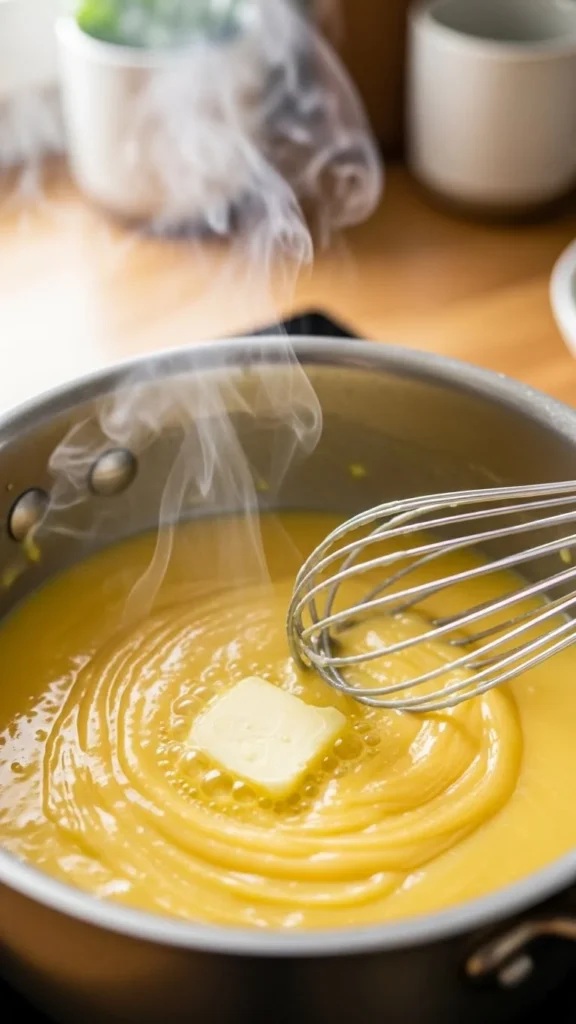
Raw lemon juice can be aggressively sour. Cooking it slightly changes the flavor.
When to cook lemon
- Custards and curds
- Lemon bars
- Pies and tarts
Gentle heat:
- Softens sharp notes
- Integrates sugar evenly
- Creates a smoother texture
Key rule:
Never boil lemon mixtures hard—low and slow preserves brightness without bitterness.
Use Eggs the Right Way
Eggs don’t just thicken lemon desserts—they help balance flavor.
How eggs help
- Yolks add richness
- Proteins mellow acidity
- Create a silky mouthfeel
Tips for success
- Use more yolks than whites for creaminess
- Temper eggs slowly to avoid scrambling
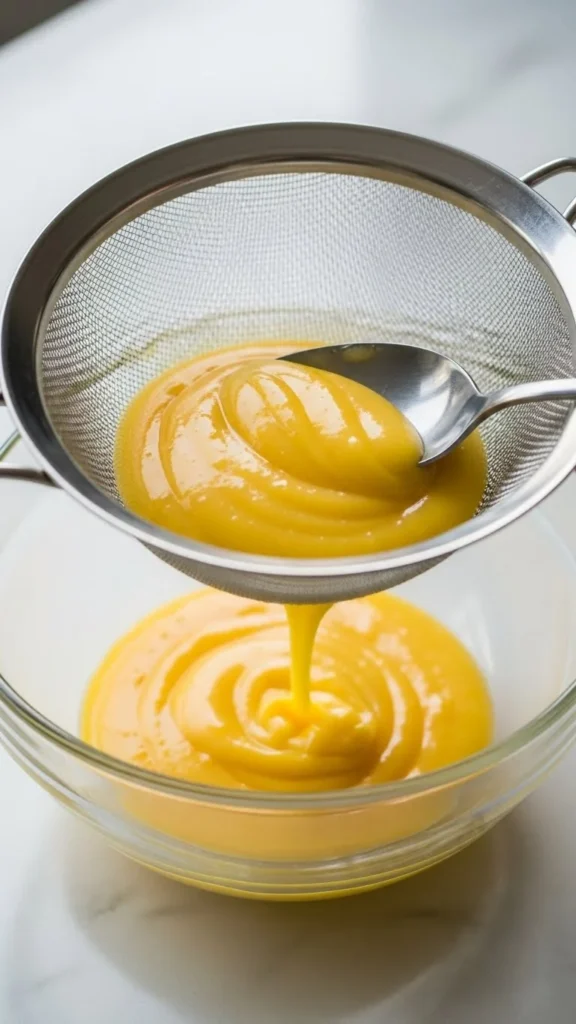
- Strain curds for ultra-smooth texture
Pair Lemon With the Right Flavors
Lemon shines brightest when paired thoughtfully.
Flavor pairings that balance tartness
- Vanilla – soft and warm
- Berries – naturally sweet
- Coconut – creamy and mellow
- Almond – nutty contrast
- Herbs like thyme or basil – subtle complexity
Avoid pairing lemon with overly bitter flavors unless sweetness is increased to compensate.
Texture Matters as Much as Taste
A perfectly balanced lemon dessert also needs contrast in texture.
Winning combinations
- Creamy filling + crisp crust
- Soft cake + tangy glaze
- Smooth mousse + crunchy topping
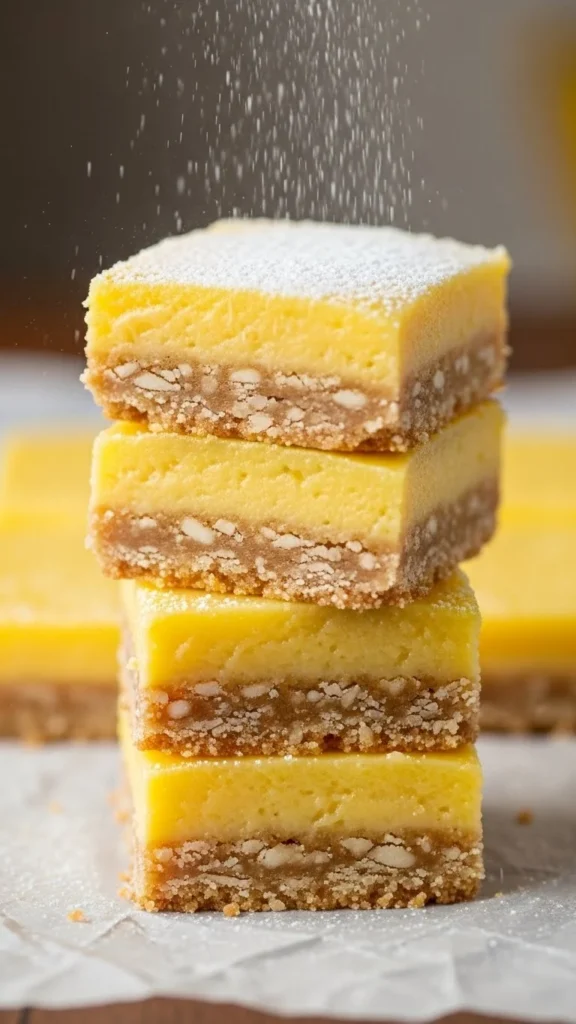
Texture keeps tart flavors enjoyable instead of overwhelming.
Common Mistakes to Avoid
Even experienced bakers slip up with lemon desserts. Watch for these pitfalls:
- Adding too much juice at once
- Skipping zest
- Overbaking (kills brightness)
- Using only white sugar
- Forgetting fat entirely
If something tastes too sharp, don’t panic—add a touch of cream, butter, or sugar syrup and retaste.
How to Taste-Test Like a Pro
Before baking or chilling:
- Taste at room temperature
- Let flavors settle for 2–3 minutes
- Ask yourself:
- Is it bright?
- Is it smooth?
- Does it linger pleasantly?
- Is it bright?
If the answer is yes to all three, you’ve nailed the balance.
Final Takeaway
Great lemon desserts aren’t about toning lemon down—they’re about supporting it. Fresh juice and zest, thoughtful sweetness, gentle cooking, and the right amount of fat all work together to create desserts that feel vibrant instead of sharp. Once you master this balance, lemon becomes one of the most rewarding flavors to bake with.
Save this guide for later, and let your next lemon dessert shine with just the right zing 🍋✨